VelocityAI
214 results

What is Total Worker Health (TWH)?
In recent years, the field of safety has evolved from its traditional focus on preventing workplace injuries to a broader focus on protecting employee health and well-being, including their psychological safety. *The Total Worker Health® (TWH) initiative by National Institute of Occupational Safety and Health (NIOSH) has emerged as a powerful framework for driving new […]

Ergonomics in the Pharmaceutical Industry
The pharmaceutical manufacturing industry is a unique environment in a number of ways, but especially when it comes to ergonomics and musculoskeletal disorder (MSD) risk. There are the typical manual material handling (MMH) tasks like lifting and moving product in a warehouse, but many injuries in this industry are actually from lab tasks. And while […]

The Perils of a Paper Permit to Work System
A key element of a strong risk management process is a centralized, electronic Control of Work system, and a solid Control of Work program can’t really “control” the work and ensure the safety of employees if it lacks an organized and efficient Permit to Work system. A Permit to Work system houses all the information on the types of work to be completed in […]

When Are Work from Home (WFH) Injuries Recordable? We Answer Your Remote Work Questions
When we do webinars and conference presentations on OSHA Recordkeeping compliance, we’re often asked about issues related to work-from-home (WFH) and remote work scenarios. These questions have become more frequent since the pandemic accelerated trends toward remote work, forcing employers to grapple with questions they may never have thought to ask before. When are WFH […]

Tips for Properly Positioning Your Monitor to Reduce Neck Discomfort
Many office workers struggle with neck discomfort throughout the day. This can often stem from improper monitor setup, which can cause frequent or prolonged awkward neck postures. For example, if a monitor is too high it can cause prolonged neck extension, if a monitor is too low or too far away it can cause prolonged neck flexion, and if a primary monitor is off-center, it can cause frequent neck twisting. These awkward postures may not seem like much, but over time they can lead to discomfort and possibly a musculoskeletal disorder. The good […]

Are You Caught Up with Your EHS Training and Learning?
by Phil Molé We’re nearing the end of the year, which is usually a time for EHS professionals to take stock of their EHS management systems including their workplace training programs to see what’s working, what’s not, and where things can be improved. With many EHS professionals are also currently planning their budgets for 2022, […]
“The Bowtie Analysis Blog” – Part 5: How Risk Bowies Enable More Flexible, Resilient Risk Management
by Phil Molé Welcome to the fifth and final installment of our “Bowtie Analysis Blog” series. Today, we’ll wrap the series by talking about how risk bowties enable a more active and holistic risk management framework that’s integrated with layers of protection analysis (LOPA) and critical controls verification. It’s OK if you haven’t read our […]

New VelocityEHS Emergency Response Services (ERS) Infographic Highlights Importance of ERS Throughout the Supply Chain!
Worried about chemical exposures, whether for your employees or your customers? Download the new infographic, “How 24-Hour Chemical Emergency Response Services Help Users Throughout the Supply Chain,” to learn how ERS from VelocityEHS can bring you peace of mind and help you meet your regulatory requirements, no matter where you are in the chemical supply […]
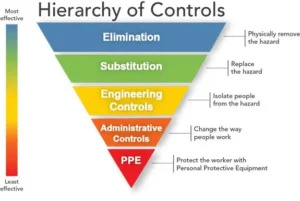
Using the Hierarchy of Controls to Maximize MSD Risk Reduction
Once a job task in a facility has been evaluated for the risk of developing a musculoskeletal disorder (MSD) and the risk has been quantified, it’s time to implement solutions. If you’re going to effectively reduce MSD risk, you need to understand which risk factors are contributing most to the overall score and utilize control […]

“The Bowtie Analysis Blog” — Part 4: Using Master Bowties to Manage Risk at Multiple Facilities
Welcome to the fourth installment of our “Bowtie Analysis Blog” series. In our first installment, we talked about the usefulness of risk bowties for training employees on workplace risks, our second installment explored the way they can pull together information from many different types of assessments, and our third post discussed how bowties help visualize and manage risk […]