Safety
221 results

Sodium Carbonate Hazards & Safety Tips
What is Sodium Carbonate? Sodium carbonate is a white crystalline or powdered chemical that is odorless with an alkaline taste. This material comes from the ashes of plants that grow in sodium-rich soil. Also known as soda ash, sodium carbonate is sometimes produced synthetically from salt and limestone. Sodium carbonate can cause mild-to-severe health hazards and should […]

Calcium Chloride Hazards & Safety Tips
What is Calcium Chloride? Calcium chloride is an odorless, white, crystalline solid compound that is highly soluble in water. A type of salt, this calcium chloride is hygroscopic, which means it can attract and absorb water molecules from its surroundings. In fact, calcium chloride can attract several times its own weight in water, dissolving into a […]

Safety with Salt – Sodium Chloride Safety Information
Sodium Chloride Safety Information & Tips Sodium chloride is the chemical name given to salt or table salt. It’s a white crystalline mineral substance that’s used as a seasoning in many foods, as well as in many workplace situations for a wide variety of purposes. Sodium chloride solutions are used medically to treat or prevent […]

Dichloromethane (Methylene Chloride) Hazards & Safety Information
Dichloromethane (also commonly known as Methylene Chloride, Methylene Dichloride, Di-clo and DCM) is a clear, slightly sweet smelling organic liquid chemical solvent which can be pose significant workplace safety risks if strict handling instructions are not followed. Common Uses for Dichloromethane Dichloromethane is used across a variety of industries, and is especially useful in chemical processes […]
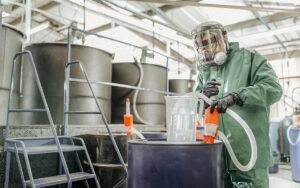
Isopropyl Alcohol Safety Tips
What is Isopropyl Alcohol? Isopropyl alcohol is a colorless liquid found in household and workplace products alike. Due to its high flammability and potential health hazards, it is important to handle isopropyl alcohol in a safe manner no matter what the setting. Common Uses of Isopropyl Alcohol Two of isopropyl alcohol’s most popular uses are […]

Benzoic Acid – Uses and Safety
Although it’s not the most-dangerous chemical you might find in the workplace, proper handling of benzoic acid is a must to avoid injuries and health risks while on the job. Benzoic acid is a white, crystalline powder with a faint, non-offensive odor. It is a compound naturally found in many plants and is an important […]

Safety with Sodium Bicarbonate
Sodium bicarbonate (better known to the world as baking soda) is a soluble white powder that is crystalline but often appears as a fine powder. It’s odorless, non-combustible and reacts with acids to release carbon dioxide gas and heat. The Versatility of Sodium Bicarbonate Sodium bicarbonate serves a variety of purposes, ranging from household uses such […]

Acetic Acid Hazards & Safety Information
Acetic Acid Hazard Safety Tips Acetic acid may not be a household name to many, but it’s actually a quite commonly used hazardous chemical. As a vital chemical in industry, acetic acid is used for a variety of purposes in many countries around the world. Acetic acid hazards are often encountered in the workplace, and […]

Understanding the Hazards of Hexane
What is Hexane and Where Can it Be Found? Hexane is a chemical commonly extracted from petroleum and crude oil. It is a colorless liquid that gives off a subtle, gasoline-like odor. Hexane is highly flammable, yet it can be found in many household products such as stain removers for arts and crafts projects. Because […]

Hydrochloric Acid Hazards & Safety Tips
What Exactly is Hydrochloric Acid & Where is it Found? Hydrochloric acid hazards are serious. However, you may be surprised to learn that hydrochloric acid is commonly used in many types of industrial processes. Approximately 20 million tons of hydrochloric acid are produced globally each year, and you can even find it in your own […]