










Chemicals
368 results

Safety Tips for Household Cleaning Products During COVID-19 & Beyond
During the COVID-19 outbreak, good housekeeping practices are essential to safety in the workplace, as well as in the home. But even household cleaning products, if used improperly, can create serious dangers. With our increased reliance on these products for preventing the spread of COVID-19, we must always remember to handle them safely to avoid […]

USP and Other Resources to Protect Healthcare Workers During the COVID-19 Pandemic
Those of us, myself included, who are fortunate enough to not only still be working, but working from the comfort and safety of home, should remember the sacrifices made by nurses, doctors and other healthcare professions whose duty to patients puts them in harm’s way. There are already hundreds of thousands of confirmed cases of […]

VelocityEHS Offering COVID-19 Disaster Relief Resources Including Emergency Hazardous Chemical MSDS/SDS Access During the Pandemic
In response to the uncertainty and need for information about COVID-19, VelocityEHS has launched its Disaster Relief web page, providing an abundance of timely resources to help EHS professionals and others during this outbreak, including limited time, complementary access to the safety data sheets (SDSs) associated with the EPA’s approved list of disinfectants for use against SARS-CoV-2, the cause of COVID-19. Individuals can now visit […]
Chemicals in the Workplace: COVID-19 Cleanup Considerations
The ongoing global pandemic involving the novel coronavirus SARS CoV-2 that causes COVID-19 is creating an urgent need for disinfectant usage. Frequent cleaning of potentially contaminated surfaces is essential to limit the further spread of the virus. EPA has provided some direction by publishing a list of disinfectants recognized to be effective against SARS CoV-2 […]

HazCom & WHMIS Updates: U.S. and Canada Publish RCC Work Plans for 2019-2020
On March 10, 2020 the U.S.–Canadian Regulatory Cooperation Council (RCC) published its 2019-2020 work plans. These work plans introduce the specific initiatives that the RCC will pursue over the coming year to promote further alignment between U.S. and Canadian health, safety and environmental regulations. The 2019-2020 RCC work plans will specifically focus on continued alignment […]
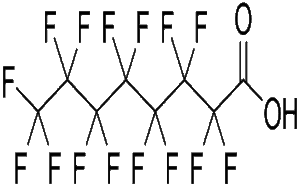
New Act Adds 160 PFAs to EPA’s to List of TRI-Reportable Chemicals
The National Defense Authorization Act (NDAA) for Fiscal Year 2020 recently added 160 per- and polyfluoroalkyl substances (PFAS) to the list of chemicals covered by the Toxics Release Inventory (TRI) under Section 313 of the Emergency Planning and Community Right-to-Know Act (EPCRA). This addition creates immediate regulatory requirements for establishments that manufacture, process, or otherwise […]

OSHA NEP Targets Employers for Respirable Crystalline Silica Standard Compliance
On February 4, 2020 OSHA announced it will be launching a national emphasis program (NEP) aimed at reducing occupational exposures to respirable crystalline silica (RCS), and promoting compliance with its Respirable Crystalline Silica Standards for general industry, maritime and construction industries. Background A 2015 report from the U.S. Centers for Disease Control & Prevention (CDC) […]

CSB Proposes New Accidental Chemical Release Reporting Requirements
The Chemical Safety and Investigation Board (CSB) recently issued a notice of proposed rulemaking (NPRM) that would create new accidental chemical release reporting requirements, in addition to those already in place under other regulations. In comparison to existing regulatory requirements, the CSB proposed rule would broaden reporting requirements by requiring reporting under a range of […]

OSHA and EPA Fines Increase for 2020
Penalties for noncompliance with regulations enforced by EPA, OSHA and other U.S. environmental and occupational health and safety agencies are going up! Under the requirements of the Federal Civil Penalties Inflation Adjustment Act of 2015, all U.S. federal agencies must annually revise their civil penalty amounts to account for the rate of inflation. Read on […]

Musculoskeletal Disorders: Stop Them Before They Start
The term musculoskeletal disorder (MSD) is widely accepted in the world of ergonomics to indicate damage associated with conditions that ergonomics guidelines seek to prevent. But what is a musculoskeletal disorder, and how does it occur? In a study by Barbe et al., the extent of the MSD development process in muscles, tendons, bones, ligaments […]