








Chemicals
396 results

5 Stories on Why Managing Hazardous Chemicals in the Workplace is so Important
Here are 5 stories, with 5 lessons, that illustrate why chemicals in the workplace, no matter the size of the company or the number of employees, are serious business. As demonstrated below, how chemicals are used, stored, labeled, and disposed of, and how employees are trained on chemical hazards, affects workers, customers, and in some […]
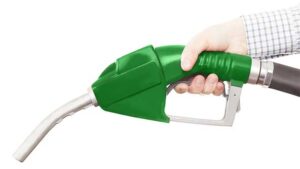
Methanol MSDS Safety Tips from Experts
Methanol is a natural by-product of wood alcohol, natural gas and coal. It has also recently garnered attention for being used in biofuel. But don’t let the “green” of this chemical fool you. Methanol is very dangerous and can cause death when mishandled. Therefore, it is crucial to understand how to handle methanol in a […]
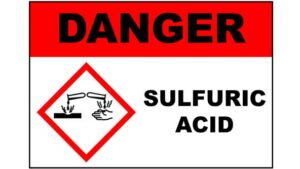
Sulfuric Acid Safety Tips – Sulfuric Acid MSDS Information
Where and How Sulfuric Acid Can Be Found Sulfuric acid is one of the most hazardous and common chemicals you may encounter. It’s actually an international commodity chemical produced in large quantities all around the world. While sulfuric acid has primarily industrial uses, it’s also found in common household products such as drain cleaner and […]
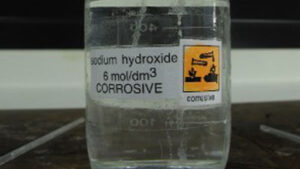
Sodium Hydroxide (Lye) Safety
Used many years ago in soaps, sodium hydroxide – also known as lye – is still a widely used chemical today. Its uses range from food processing to petroleum refining, but it can be a very dangerous chemical. Here we’ll examine its usual uses, and the specific properties that make sodium hydroxide a threat to […]

Ethanol: Versatile, Common and Potentially Dangerous
We have all heard of ethanol, somehow, somewhere. But what is it, exactly? How is it used? And most importantly – how can ethanol be dangerous in the workplace and beyond? (Photo: Corn and Cornier by Seth Anderson) In this information post from the experts at VelocityEHS, we’ll take a look at what ethanol is, […]

OSHA Embracing Sustainability & Chemical Substitution, Employers Wise to Follow Suit
Today sustainability is not just a buzzword. Captains of commerce, like Wal-Mart, Target, Virgin, and Apple are championing the drive to improve the chemical footprints of entire supply chains. In the past, the word “sustainability” conjured images of extreme environmentalism at the cost of all else; today it encompasses a wide-angled view of the relationships […]

From the Ground Up: Supply Chain Compliance
This second post in a series on the NAEM Report, “Planning for a Sustainable Future,” focuses on the growing challenge of enforcing supply chain compliance in a tangled and constantly fluctuating regulatory environment. Supply chain compliance is an ever-evolving global issue. Unless all materials right down to chemical makeup or raw minerals are sourced locally, […]
Bleach (Sodium Hypochlorite) Safety Tips: Bleach Safety Instruction
Sodium Hypochlorite (Bleach) Safety Information It whitens your whites, cleans your floors and acts as a great sanitizer. But bleach, (also known as its chemical name, sodium hypochlorite) can be quite hazardous when not handled properly. What Is Bleach AKA Sodium Hypochlorite? Sodium hypochlorite is a green/yellow liquid that smells like chlorine. It is a […]

Working Safely with Crystalline Silica
Safety & Care When Working with Crystalline Silica Crystalline Silica is a mineral found in the Earth’s crust and comes in several forms, most commonly in quartz; the other two forms are cristobalite and tridymite. It is so widely used in various industries that people come into contact with it literally every day. Used in […]

5 Reasons Why Managing Safety Data Sheets Electronically is Good for Business
1. Saves Time 2. Saves Money 3. It’s Efficient 4. Sustainability 5. Risk Reduction It would be easy to think that most companies choose to manage their safety data sheets (MSDSs and SDSs) electronically because they are concerned with OSHA compliance or the transition to GHS. However, the truth is, most companies choose electronic management […]