










Chemicals
396 results

How ISO 45001 Can Help Manage Psychosocial Risks in the Workplace
Safety managers have many different workplace risks to assess and control, but they don’t always adequately identify and address psychosocial risks. These are sources of anxiety for workers that result from a multitude of factors including the ways that work is organized (e.g. length of shifts, numbers of consecutive days worked), ways that job tasks […]

COSHH: A Key Framework for Hazardous Chemical Risk Assessment
COSHH, or Control of Substances Hazardous to Health, is a set of regulations under the U.K.’s Health and Safety Executive (HSE) to protect workers from health hazards when working with specific substances and materials. COSHH includes a Risk Assessment component that, while a regulatory compliance requirement for some, is increasingly becoming a best practice around […]

VelocityEHS Tests HazCom IQ at Wisconsin Safety Council’s Virtual Conference!
Attendees at the Wisconsin Safety Council’s 78th Annual Conference can test their knowledge of OSHA HazCom compliance during our virtual session “GHS/HazCom: The Game – Can You Pass the Compliance Test in 2020?”. Join VelocityEHS’ very own EHS & Sustainability Expert, Greg Duncan, as he leads you through a series of engaging interactive games designed to enhance your knowledge of OSHA’s HazCom Standard and workplace chemical safety best practices. With the HazCom Standard continuing to rank number two on OSHA’s Top 10 List of Most Frequently Cited Standards for the past seven years running, it is as important as ever for employers […]
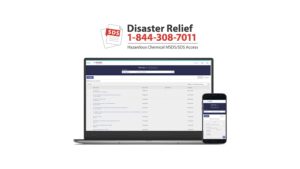
VelocityEHS Offers HazCom Support for Emergency Responders, Businesses and Others Affected by Chemical Exposures from Hurricane Laura
Hurricane Laura has already caused significant damage to the Gulf Coast area, including a fire and release of chlorine gas near Lake Charles, Louisiana. Read on to learn more about the chemical hazards posed by the storm and how VelocityEHS is helping with its disaster relief site that provides affected areas with access to millions […]

VelocityEHS Safety Management Solution Launched During Safe + Sound Week
This week during OSHA’s Safe + Sound Week, VelocityEHS was proud to release its new Safety Management Solution to help manufacturers simplify their safety management processes. This software provides small to mid-sized manufacturers the tools to manage important key tasks and keeps employees safe. The solution includes: – SDS/Chemical Management – Job Safety Analyses (JSAs) […]

OSHA’s Safe + Sound Week – Join Us!
VelocityEHS is participating in OSHA’s Safe + Sound Week, scheduled August 10 to 16, 2020, with many ancillary activities to help raise awareness around safety and health in the workplace. Nearly 1,440 businesses are also teaming up in this nationwide event to promote their commitment. The site also provides resources and best practices to keep America’s workers safe. New Product Release Leading up to this event, we’re pleased to announce our new Safety Management Solution. This […]

IAF Extends Deadline for Businesses to Migrate to ISO 45001
[vc_row][vc_column][vc_column_text]Due to widespread business impacts from the ongoing global COVID-19 pandemic, the International Accreditation Forum (IAF) has extended the deadline for migration to ISO 45001 by six months from the original timeline, to September 11, 2021. The current international standard for occupational health and safety (OHS) management systems, ISO 45001, was published in Spring 2018 […]

EPA Updates List N with First Disinfectants Laboratory Tested Against COVID-19
Last week, the EPA updated the status of two surface disinfectant products on its List N: Disinfectants for Use Against SARS-CoV-2 (COVID-19). This update is significant, since these are the first List N products for which the EPA has performed and reviewed laboratory testing to verify label claims of effectiveness against SARS-CoV-2. These new products […]

FDA Releases New Warning Against Using Hand Sanitizers Containing Methanol
In a newly released update, the Food and Drug Administration (FDA) has expanded the number of hand sanitizers to avoid using to include those that may contain methanol (also called methyl alcohol or wood alcohol), which can be a toxic substance when absorbed through skin or ingested. The agency provided a chart of 59 varieties of hand sanitizer that should be avoided, some which have already been recalled, and other products being […]

Protect Your Workers with our Chemical Cleaning Product Mixing Hazards Poster
Frequent workplace cleaning, disinfecting and sanitizing are essential tactics in the fight against COVID-19, but we need to keep in mind that even the most common and seemingly safe chemical cleaning products can present their own health and safety hazards. This is especially true considering recent shortages of chemical cleaning products caused by COVID-19. These […]