










Ergonomics
187 results

4 Characteristics of an Effective Root Cause Statement
The hardest part of any continuous improvement process is accurately identifying the reason that risk is present in the system to begin with. This is also the most critical step when implementing improvements. There are four key characteristics that every root cause statement should include to provide quality data that can result in effective solutions. […]

What Are My Ergonomics Assessment Results Telling Me?
I have been working in the field of ergonomics for the past five years. During this time, I have had the opportunity to work with many clients to help them establish an ergonomics process; to do this you must understand what issues you are trying to solve and how to interpret the results. As an […]

Workplace Accidents Don’t “Just Happen”: Using Root Cause Analysis to Improve Safety Culture
Many company managers, and even some experienced safety professionals still maintain the view that some workplace accidents ”just happen” — that not all workplace incidents are preventable, and that we therefore shouldn’t always expect to find root causes for why they occurred. The reasons behind this attitude vary, with some individuals claiming that such ambitious […]

How to Use Design Guidelines to Create a Successful Ergonomics Process
During the launch and management of any ergonomics program, multiple tools are available for measuring risk levels and tracking data, but nothing is more critical to the success of a company-wide ergonomics program than the effective implementation of a set of design guidelines for ergonomics. These standards apply to all levels of development and all […]

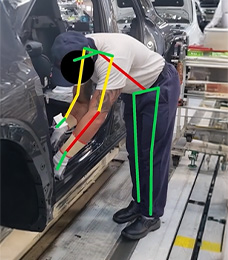
How to Use the Rapid Entire Body Assessment
What is the REBA? The Rapid Entire Body Assessment (REBA) is a tool used to evaluate the risk of musculoskeletal disorders (MSDs) associated with specific tasks within a job. It is a whole-body screening tool that follows a systematic procedure to assess biomechanical and postural loading on the body. The benefits of this tool are […]
Root Cause Analysis in Ergonomics: Traps and Tips
Whether you are conducting an injury investigation or seeking countermeasures to address a hazard, the quality of your root cause analysis will have a direct bearing on the effectiveness of your solution. Unfortunately, many root cause analyses go off course and pursue ineffective paths. For example, a few years ago I was reviewing data on […]
A How-To Guide: The NIOSH Lifting Equation
The National Institute of Occupational Safety and Health (NIOSH) has developed many useful tools and documents to aid industries in developing an ergonomics program. A commonly-used tool that NIOSH developed is the NIOSH Lifting Equation. The NIOSH Lifting Equation is used to determine the risk of a low back injury while performing lifting tasks. What […]

OSHA Recordkeeping: Causes and Consequences of Underreporting Workplace Injuries & Illnesses
OSHA workplace injury and illness reporting season is already upon us, and there’s no better time for employers to take a step back and review their injury and illness recordkeeping practices — not only to make sure you’re in compliance, but to evaluate whether you’re capturing the most accurate possible injury and illness data in […]
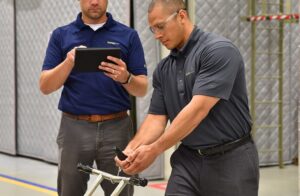
Musculoskeletal Disorders: Stop Them Before They Start
The term musculoskeletal disorder (MSD) is widely accepted in the world of ergonomics to indicate damage associated with conditions that ergonomics guidelines seek to prevent. But what is a musculoskeletal disorder, and how does it occur? In a study by Barbe et al., the extent of the MSD development process in muscles, tendons, bones, ligaments […]

VelocityEHS Announces its Ergonomics Seminar Series
Interactive workshops aimed at helping companies implement & sustain a world-class industrial ergonomics program Chicago (January 15, 2020) — VelocityEHS, the global leader in cloud-based environment, health, safety (EHS) and sustainability solutions, will host a series of in-person seminars focused on helping attendees recognize, plan, and integrate both strategic and tactical elements of ergonomics into their […]