











Optimizing EHS Programs
530 results

OSHA’s New Injury Tracking Application (ITA) Deadline is December 1: How to Submit and Edit Data
This past August, OSHA officially launched its Injury Tracking Application (ITA), ending months of delays and uncertainty surrounding the compliance deadlines for OSHA’s “Improve Tracking of Workplace Injuries and Illnesses” (aka Electronic Reporting) rule. All signs currently indicate the agency’s plan to move forward with its first submission deadline of December 1, 2017. Shortly after its launch, OSHA temporarily […]

Dual Monitors or Laptop Screen: Which is a Pain in the Neck?
One of the ongoing discussions in the workplace is the comparison of different office workstation setups, specifically with the multitude of options available today; from various keyboard structures and angled mice, to monitor sizes and layouts. Working with multiple desktop monitors has been increasing recently, in an effort to enhance productivity and efficiency. On the […]

Keeping Workplaces Safe During National Safety Month… and Beyond
Observed annually in the United States in June each year, National Safety Month focuses on reducing the leading causes of injury and death at work, on the roads, and in the home and in communities. This year’s theme – “Keep Each Other Safe” – serves as an important reminder of the role we all play in protecting […]
Introducing Ergonomics to Operations
Operations and Safety don’t always speak the same language, not because Operations isn’t committed to keeping people safe at work or Safety isn’t concerned with meeting operational goals, but rather because each area has its own methods, processes, and measures. This communication gap can increase when ergonomics is added to the mix. Ergonomics is often […]

Weathering the Storm: EHS Management in Today’s Offshore Oil & Gas Industry
A recent article published by the Society of Petroleum Engineers (SPE) recapped an important panel discussion which took place at the 2017 Offshore Technology Conference (OTC) in Houston earlier this month. A group of industry EHS professionals and government regulators had gathered to discuss the effects of continued low oil prices on worker safety in the […]

Are Your JSAs Good Enough? Don’t Wait for a Workplace Incident to Find Out
You already know that workplace accidents can have devastating consequences. You understand that effective EHS management must involve active identification and control of hazards, which is the primary intention behind risk assessments. You may even use job safety analysis (JSAs), to perform formal risk assessments that break down jobs into their constituent tasks in order […]
Engaging Your Engineers in Ergonomics: A Tough Nut to Crack
Ergonomics is an engineering discipline. The National Institute for Occupational Safety and Health (NIOSH) defines it as “…fitting workplace conditions and job demands to the capabilities of the working population.” Safety professionals apply ergonomics to, among other things, reduce exposure to the risk factors known to cause musculoskeletal disorders (MSDs). Research has proven that sound […]
Quad-O: EPA’s Methane Emissions Standards for the Oil and Gas Industry
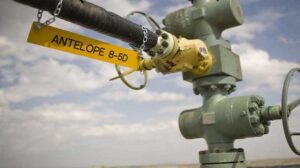
In 2012, the EPA published 40 CFR Part 60 Subpart OOOO, more commonly known as Quad-O, which set forth substantial new methane emissions monitoring and reduction requirements, as well as provisions mandating that owners and operators in the oil and gas industry implement comprehensive leak detection and repair (LDAR) programs throughout their facilities. In June of […]

Leading Measures for Ergonomics
“If you can’t measure it, you can’t manage it.” These are the wise words of Peter Drucker. And they are true for many aspects of life; your personal finances, your career path, operation of a business, and yes even ergonomic improvements. The challenge is using the right measures to drive and manage your ergonomics improvement […]
New PHMSA Final Rule Strengthens Safety Requirements for Pipelines
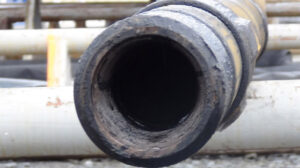
On January 13, 2017, the Pipeline and Hazardous Materials Safety Administration (PHMSA) issued a new final rule amending regulations for hazardous liquid pipelines. The rule becomes effective on July 13, 2017 and creates new compliance obligations for system owners and operators that are intended to maintain pipe integrity and prevent pipeline accidents. Let’s review some […]