












By Phil Molé, MPH
Are we done with another quarter of virtual events already? Time flies.
Throughout Q2, we hosted a variety of events designed to help EHS professionals stay ahead of regulatory changes, explore emerging technologies, and enhance their safety programs. Covering topics such as OSHA HazCom updates, AI, safety, incident management, ergonomics, contractor safety, and operational risk, these webinars provided practical insights and actionable strategies that attendees could apply in their organizations. We also continued our popular AI in Safety Coffee Chat series, offering ongoing conversations about the evolving role of AI in EHS.
EHS professionals have busy schedules, so if you missed any of our Q2 webinars or AI in Safety Coffee Chats, now you can easily catch up.
Chemical Management
Chemical management is one of the most challenging areas for EHS professionals because hazardous chemicals not only represent exposure risks to employees but also may be covered by specific regulatory requirements.
Our subject matter experts design chemical management webinars to help end users of chemicals follow safety best practices and maintain compliance with regulatory requirements.
HazCom
OSHA’s 2024 final rule, which updates its Hazard Communication Standard (1910.1200) to align with Revision 7 and elements of Revision 8 of the United Nations’ Globally Harmonized System of Classification and Labeling of Chemicals (GHS), is already in effect. And its first deadlines will start hitting in May 2026.
This webinar covered the background of HazCom, while also unpacking the most recent changes and how users of hazardous chemicals across the supply chain can ensure they are compliant.
(OH&S) OSHA’s HazCom Final Rule: What You Need to Know
EPA Toxic Release Inventory (TRI)/Form R
Section 313 of the Emergency Planning and Community Right to Know Act (EPCRA) establishes the obligation for certain facilities to prepare and submit a Toxic Release Inventory (TRI) Report, known as a Form R report, if their usage of TRI-listed chemicals exceeded applicable thresholds.
The deadline for Form R reports is July 1 of each year for the previous calendar year’s data. If you are the owner or operator of an affected facility, you need to be aware of current reporting obligations to ensure the accuracy and completeness of your upcoming TRI submissions. This is critical because the EPA continues to update the TRI chemicals list and has recently added more poly- and perfluoroalkyl substances (PFAS) to the list, requiring you to determine if you use them and then track them.
This webinar reviews the basics of Form R reporting, with a deep dive into applicability, and covers the most important reporting changes over the last few reporting cycles.
EPA Form R/Toxic Release Inventory Compliance: Preparing for Reporting Deadlines
Safety
Based on the 2026 EHS 360 Benchmark Report, EHS professionals report they do what they do primarily because of a personal commitment to safety. Our safety webinars present key information that EHS pros need to understand how to better identify significant risks, improve safety culture, and adopt a more proactive approach to safety management.
Severe injuries and fatalities (SIFs) are a consistent challenge for EHS professionals. The Bureau of Labor Statistics (BLS) data shows that even normalized rates of SIFs have remained steady over the last 20+ years. If EHS professionals could accurately identify the 20% or less of all incidents that have potential SIF (PSIF) risks, they could prioritize their time to have the biggest positive impact on safety performance. The problem is, it has been historically difficult to assess those risks without subjectivity creeping in.
Our webinar highlighted how modern, AI-enhanced incident management finally makes it possible to track PSIFs at scale and adopt PSIF metrics as an effective leading indicator.
Rethinking Safety Metrics: Why PSIFs Are the New Standard for Evaluating Risks
Training is central to safety management because it ensures employees have the awareness needed of regulations and company safety policies. A library of safety course modules, combined with a true learning management system (LMS) platform, gives EHS teams the control and visibility they need to manage training effectively. Our training and learning (TAL) demo webinar showed attendees how the software simplifies all aspects of training.
Ergonomics
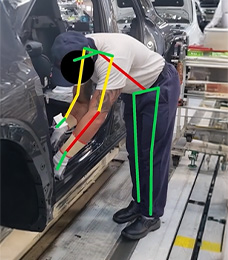
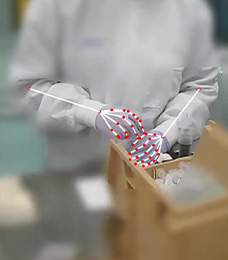
Ergonomics is a broad category of OH&S management, dedicated to fitting the work environment to the workers, instead of the more common tendency to place employees in a workplace that isn’t designed with safety in mind. A central goal of ergonomics programs is to identify and correct risks for musculoskeletal disorders (MSDs), or ideally, to design them out of workstations in the first place.
In Q2, we held an Ergonomics Virtual Conference, where attendees learned about strategies for implementing successful ergonomics programs and the ways that AI-enhanced ergonomics software can help.
The Ergo Cup® competition, created by the Institute of Industrial & Systems Engineers, celebrates smart, effective solutions to real ergonomics challenges. An internal Ergo Cup competition gives your people a clear opportunity to share ideas, solve problems, and make meaningful changes to reduce MSD risk and increase productivity. In one of our Q2 webinars, attendees learned how to successfully plan and conduct an Ergo Cup® competition.
How to Launch Your Own Internal Ergonomics Cup Competition
Operational Risk
Operational risk is the practice of identifying workplace hazards, which are conditions that give rise to risks, measured as the product of the probability of an injury or accident happening and the severity of outcome if it happens. Robust risk management is the key to shifting from a reactive to a proactive approach to safety and gives EHS teams the visibility they need to build better safety governance and business resilience.
Job safety analysis (JSA) is one of the most common and effective risk assessment methodologies because it involves breaking down jobs into constituent tasks, so that hazards have fewer places to hide, and EHS teams can then select effective controls. The Q2 webinar Job Safety Analysis Software Demo: Spot Hidden Hazards and Control Risks gave attendees a peek at how our software makes JSAs easier and more effective.
Management of Change (MOC) is a sometimes-overlooked aspect of operational risk, consisting of formal procedures for assessing planned changes, whether to operations, the workplace, or other aspects of work, to make sure that they don’t introduce uncontrolled risks. One of our Q2 webinars, which offers CEU credits, assessed the importance of MOC for an effective safety management system as defined by ISO 45001, the international standard for occupational health & safety (OH&S) management.
Change Is Constant, Risk Doesn’t Have to Be: Elevating MOC for ISO 45001 and Beyond
Contractor Safety & Permit to Work
Organizations that conduct high-risk work often face fragmented data, inconsistent qualification processes, and limited visibility into who is onsite, especially when contractors and vendors conduct much of this work. These gaps create compliance exposures and slow an organization’s ability to respond when risks arise.
Permit to Work is a system for ensuring that all highly hazardous job tasks, such as working at heights or within hazardous atmosphere confined spaces, occur with proper approvals, and after ensuring that all preparations have been made and safeguards are in place. The challenge is that EHS teams have a difficult time managing permit to work with traditional tools, such as hard copy or desktop software systems.
The right contractor safety and permit to work software can help overcome these challenges, though, as attendees learned in this webinar.
Ensuring 100% Certainty with Contractor Safety & Compliance
AI in EHS
AI has become one of the most transformational forces in business and society today, but how is it affecting EHS? The 2026 EHS 360 Benchmark Report highlights that EHS professionals have a favorable opinion about AI, but there are still gaps and opportunities. For example, EHS pros who haven’t yet adopted AI say that trust in the accuracy and EHS relevance of AI is the number one barrier keeping them from exploring it.
One of our Q2 webinars, sponsored by EHS Today, addressed EHS professionals who may not yet fully understand the relevance of AI to EHS management.
EHS Today: Why EHS Professionals Can’t Afford to Ignore AI
The EHS 360 Benchmark Report took a broader look at the current state of EHS, compiling results from a survey of over 1,000 EHS professionals and anonymized data from our platform showing how customers use the software. The report provides the largest data-driven look available into how organizations are responding to the current EHS landscape, including their adoption of AI.

This webinar examines findings of the EHS 360 Benchmark Report and discusses how leading organizations are building safer, smarter, and more resilient workplaces.
EHS in Transition: Navigating the New Era of EHS
AI in Safety: A Coffee Chat for EHS Professionals
We also continued the popular AI Coffee Chat series, intended to bring EHS pros together to learn more about the relevance of AI and why you can’t afford to ignore it.
Each installment of the AI Coffee Chat features a special guest to discuss specific aspects of EHS and AI. In Q2, the AI Coffee Chat discussed various aspects of AI and its impact on the field of EHS and relevance to EHS professionals.
Make sure you don’t miss future installments of the AI Coffee Chat Series.
General EHS Software Usage
Choosing to adopt the right EHS software is critical, but without partnering with customer support, implementation can be a rough journey. That’s one reason VelocityEHS takes customer success seriously, with community events throughout the year, and resources to help new customers get the most out of our software.
One of our Q2 webinars explained the implementation process, and described what prospects can expect to happen after the contract is signed, and how to plan for a successful implementation.
Inside EHS Implementation: Behind the Scenes with Customer Success Experts
Check Out More VelocityEHS Resources
Now that you’re caught up on our Q2 webinar topics, be sure to watch them on-demand using the links posted throughout this blog. We also hope you will catch up on an upcoming live webinar.
You can also check out some of our many on-demand guides, checklists, and white papers, including:
- AI in EHS Resource Center
- 2026 EHS 360 Benchmark Report
- Micro Report: The State of AI in EHS
- Five Use Cases for Vēlo
- Leveraging AI in EHS to Move Beyond Regulatory Compliance
- From Compliance to Resilience
- 2026 Essential Compliance Checklist
- Why EHS Professionals Can’t Afford to Ignore AI
- 20 Questions You Should Ask Before Choosing an EHS Software Vendor
- 2026 Essential Compliance Checklist for EHS Professionals
Let VelocityEHS Level Up Your Safety Programs
Learn more about purpose-built, human-centered AI woven into the VelocityEHS Accelerate® Platform. Or if you’re ready to see for yourself how Velocity AI and Vēlo can empower safety professionals to act faster, with greater clarity and consistency, watch a demo today.