













EHS compliance in 2026 demands more than policy updates and periodic audits. Regulators worldwide are increasing enforcement, expanding reporting requirements, and raising expectations for documentation.
For EHS and Sustainability leaders, the question is no longer whether regulations will change. It’s how prepared your organization is to adapt when they do. That’s why we created the executive guide, Smarter Compliance: Staying Ahead of Regulatory Shifts in 2026. It’s a practical resource to help organizations anticipate risk, strengthen compliance programs, and build resilience in a regulatory environment defined by constant change.
Download the 2026 Smarter Compliance Executive Guide
The Global Regulatory Outlook for 2026
The 2026 regulatory landscape reflects a consistent global trend: broader scope, stronger enforcement, and higher standards for auditable compliance. Across regions, three themes are shaping expectations:
- Expanded chemical oversight, particularly PFAS
- Climate and sustainability disclosure requirements
- Greater scrutiny of worker health and safety programs
In the United States, regulators are expanding focus beyond acute hazards to include systemic and long-term risks. EPA PFAS reporting continues to grow in scope, while OSHA’s updated Hazard Communication (HazCom) Standard introduces phased compliance deadlines beginning in 2026.
In the European Union, sustainability reporting under CSRD and ESRS is redefining compliance expectations. Organizations must not only report ESG data but demonstrate data lineage, governance controls, and operational consistency.
Canada and several APAC markets are advancing ISSB-aligned sustainability disclosure frameworks, increasing pressure on multinational organizations to produce defensible, standardized EHS and ESG data.
The global message is clear: compliance must be documented, verifiable, and consistent across jurisdictions.
Key U.S. Compliance Priorities for 2026
For U.S.-based organizations, several regulatory themes deserve immediate attention.
PFAS Reporting and Chemical Transparency
Expanded TRI reporting and growing integration of PFAS requirements across environmental regulations are transforming chemical management into a strategic business issue. Companies must identify PFAS across products, waste streams, and supply chains while maintaining defensible monitoring and documentation.
Hazard Communication (HazCom) Updates
OSHA’s alignment with GHS Revision 7 modernizes hazard classifications, labeling requirements, and Safety Data Sheets. Employers must update classifications, training, and workplace hazard communication programs to meet upcoming deadlines.
Heat Illness Prevention
With a federal heat standard anticipated and enforcement already increasing, organizations are expected to implement formal Heat Illness Prevention Programs, monitoring protocols, and documented mitigation strategies.
Ergonomics, Workplace Violence, and PPE Fit
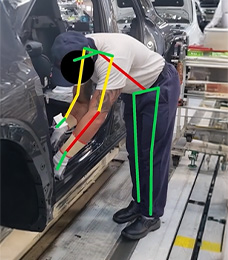
Regulators and state agencies are strengthening expectations around structured ergonomics programs, written workplace violence prevention plans, and proper PPE fit. The emphasis has shifted toward proactive risk identification and documented program effectiveness.
Collectively, these priorities signal a shift from reactive compliance to structured, repeatable governance.
Building an Agile Compliance Framework
As regulatory demands accelerate, agility becomes essential. An effective compliance framework includes:
- Risk-based, proactive audit programs
- Standardized processes across sites
- Integrated regulatory intelligence to ensure current applicability
- Closed-loop corrective action tracking
Manual systems, spreadsheets, and siloed programs create blind spots that increase enforcement risk. Modern EHS leaders are embedding compliance into operational workflows, linking regulatory requirements, audits, findings, and corrective actions into a single system that supports documentation and continuous improvement.
This approach aligns with standards like ISO 45001 and reflects what regulators increasingly expect: evidence of implementation, not just policy.
Turning Compliance into Competitive Advantage
When managed reactively, compliance creates friction and cost. When managed proactively, it becomes a source of stability, insight, and differentiation.
Organizations with mature compliance programs benefit from:
- Reduced enforcement exposure
- Improved operational consistency
- Stronger ESG reporting confidence
- Greater stakeholder trust
- Better enterprise risk management
In 2026, compliance maturity will separate resilient organizations from those constantly reacting under pressure.
Download the 2026 EHS Compliance Guide
If you’re responsible for EHS, Environmental Compliance, or Sustainability strategy, Smarter Compliance: Staying Ahead of Regulatory Shifts in 2026 provides a concise global regulatory outlook, key U.S. compliance deadlines and priorities, guidance for building agile compliance governance, and practical strategies for operationalizing compliance at scale.
Download the guide today and prepare your organization for what’s next.