








VelocityAI
888 results
EPA’s Proposed Rule on Clean Water Act “Worst Case Planning”: What You Need to Know
You might have missed it among the many other proposed regulations that have come out recently, but EPA recently published a significant, new proposed rule that would require many facilities to develop plans to respond to potential “worst case discharges” of chemicals at their facility. The proposed rule builds upon EPA’s authority established in the […]
Five Tips for Implementing Better Ergonomics Controls
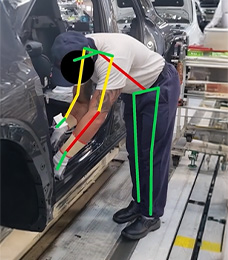
Preventing musculoskeletal disorders (MSDs) is the primary reason most organizations have an ergonomics program in place, and preventing MSDs requires identifying and implementing effective controls. Unfortunately, this is precisely the step in the process where many ergonomics teams struggle, but here are 5 impactful things you can do to improve the effectiveness of your ergonomics […]
Ergonomics Conference Session Re-Cap: How Machine Learning is Advancing Ergonomics Effectiveness
The March 2, 2022 VelocityEHS Ergonomics Conference featured a ‘dream-team’ of our very own ergonomics, industrial hygiene and EHS technology experts alongside leading ergonomics process owners from Cummins, W.L. Gore, Lear, and Southwire, who led conference attendees through a full day of sessions covering cutting edge topics in the field of ergonomics. During one of […]
Quantifying an Overall MSD Risk Level: A 2022 Virtual Ergonomics Summary
Earlier this month, VelocityEHS held its 2022 Virtual Ergonomics Conference, where ergonomics experts and practitioners came together to share knowledge and discuss all the ways to “do ergonomics right” and have the greatest positive impact on employee health and safety. In the session, Quantifying an Overall MSD Risk Level, VelocityEHS Director of Ergonomics Research Blake […]
Ergonomics Conference Summary—Process Management and Return on Investment (ROI)
VelocityEHS recently held its virtual Ergonomics Conference. This conference provided thought leadership on ways to focus on the job improvement process while reducing workplace injuries related to musculoskeletal disorders (MSDs). One of the presentations covered Process Management and ROI. This presentation was conducted by VelocityEHS experts Rick Barker, CPE, CSP, Principal Solutions Strategist, Ergonomics, and […]
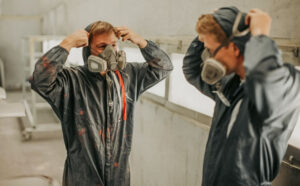
Introduction to EHS Risks, Part Three: Understanding and Managing Risk Controls
Welcome to the third installment of our blog series “Introduction to EHS Risks,” in which we’ll talk about the importance of selecting and managing good risk controls. In case you missed our previous posts in this series, take a little time to check out our first installment for an overview of EHS risks, and our […]

The Importance of an Effective Visitor Management System
What is a Visitor Management System? A visitor management system is the process of tracking everyone who enters your building, office or site. It could be a visitor, a customer, a delivery person, a job applicant, temporary employee or a contractor. Essentially, anyone who is not a regular employee is considered a visitor. Traditional Visitor Management […]
VelocityEHS® Dream Team of Board-Certified Ergonomists and AI & Machine Learning Scientists Headline Virtual Ergonomics Conference on May 3
Addressing musculoskeletal disorders and aligning risk reduction programs to ESG and sustainability efforts top the agenda. Chicago (April 29, 2022) — VelocityEHS, the global leader in cloud-based environmental, health, safety (EHS) and environmental, social, and corporate governance (ESG) software, announced today it will host a new virtual event — The VelocityEHS Ergonomics Conference on May 3, 2022. […]
ISSB’s Consolidation of ESG Reporting Frameworks: What You Need to Know
The International Sustainability Standards Board (ISSB), created in late 2021 to improve the global consistency of ESG reporting, has published its first two draft standards for public comment. One standard lays out a framework for general sustainability-related disclosures, while the other standard specifically addresses climate-related disclosures. Both standards are sure to attract a great deal […]

Workplace Safety—The Impact of Psychosocial Hazards and How to Address Them
Workplace safety is much more than just making sure employees leave work without injury. It’s more than providing a safe work environment, or just encouraging employees to take care of their mental health. It’s about cultivating a workplace environment that allows employees to have direct input into their safety and control of work processes. It’s […]