








VelocityAI
871 results
Introduction to EHS Risks, Part Two: Prioritizing Your Risks
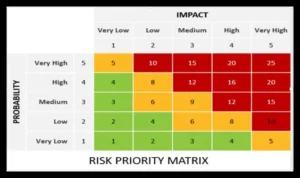
Welcome to the second installment of our blog series “Introduction to EHS Risks,” in which we’ll break down how to prioritize your risks using a tool called the risk matrix. In case you missed our first installment, take some time to check it out for an overview of EHS risks, and to learn why you […]

VelocityEHS & Urjanet Integration Automates Utility Data Analysis for More Efficient ESG Reporting
When it comes to Environmental, Social, and Governance (ESG) reporting, utility data is one of the most crucial and basic sources of information for evaluating your company’s GHG emissions, carbon footprint and other climate impacts—impacts that are essential indicators of overall ESG performance. With clear and increasing demand from investors, customers, workers and other stakeholders […]

Introducing Ignite, the New Magazine from VelocityEHS
VelocityEHS is proud to announce the launch of our new digital magazine, Ignite! Filled with industry leading thought leadership articles and resources from VelocityEHS experts, Ignite brings you key insights on timely EHS and sustainability topics. Our debut issue focuses on ESG (environmental, social and corporate governance), a topic that’s been top-of-mind for EHS and […]
OSHA’s Proposed Rule to Update Electronic Injury and Illness Reporting: What You Need to Know
The pace of new regulatory activity isn’t getting any slower. OSHA just published a Notice of Proposed Rulemaking (NPRM) that would update the Recordkeeping Standard to significantly expand electronic reporting requirements for many establishments, and result in the publication of occupational injury and illness records for those establishments. Not everyone seems to have heard about […]

What to Do When Ergonomics Design Criteria Fall into a Gray Area
As more and more corporations establish continuous improvement processes in their production facilities to improve ergonomics and reduce musculoskeletal disorders, one thing has become clear: fixing poorly designed equipment and processes is expensive and not always practical. It’s significantly more cost effective to adjust workstations and equipment as they’re being designed on a computer screen, […]
Reportable? Recordable? Take the Guesswork out of OSHA Recordkeeping
OSHA Recordkeeping and Reporting Requirements help protect the safety of employees by requiring many employers to keep records of occupational injuries and illnesses. Covering over 750,000 employees and 1.5 million establishments, it allows both employers and employees to better understand how the company is performing regarding safety and actions taken to mitigate hazards in the […]

New Guide — Greenhouse Gas (GHG) Management of All Three Scopes with ESG Software
Let’s start with some facts about GHGs: GHGs continue to increase, and as they do, the earth’s temperature is rising contributing to melting of artic ice, rising sea levels, and changes in weather patterns, which can increase potential for extreme weather events such as hurricanes. As a result, both voluntary and mandatory reporting frameworks have […]
Understanding the SEC’s Proposed ESG Disclosure Rule
The United States Securities & Exchange Commission (SEC) recently published a proposed rule that would expand and enhance disclosure requirements pertaining to Environmental, Social, and Governance (ESG) and climate-related risks for public companies. While many businesses have long anticipated such a move by the SEC, many companies have greeted the news with reactions ranging from […]
Using Leading Indicators to Improve Safety Management
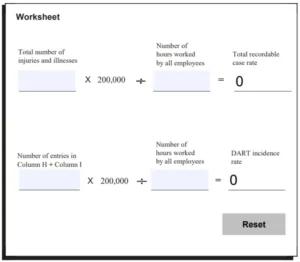
There are many articles and webinars on leading indicators at safety conferences and in EHS publications, and everyone rightly agrees they’re good things. But it’s not always clear to the average EHS professional what leading indicators actually are, how they improve safety, and what kinds of factors you need to consider if you’re going to […]

Above the Glass Ceiling: A Conversation with Two VelocityEHS Leaders
In honor of Women’s Herstory Month, I met with two VelocityEHS leaders, Winnie Ip, Chief Operating Officer, and Rachel Kaiser, Vice President of Human Resources, to discuss their experiences as women in the professional world, and at the executive level. First off, let me break down the title of this piece, Above the Glass Ceiling. […]