









Ergonomics
589 results

Safety with Salt – Sodium Chloride Safety Information
Sodium Chloride Safety Information & Tips Sodium chloride is the chemical name given to salt or table salt. It’s a white crystalline mineral substance that’s used as a seasoning in many foods, as well as in many workplace situations for a wide variety of purposes. Sodium chloride solutions are used medically to treat or prevent […]

Dichloromethane (Methylene Chloride) Hazards & Safety Information
Dichloromethane (also commonly known as Methylene Chloride, Methylene Dichloride, Di-clo and DCM) is a clear, slightly sweet smelling organic liquid chemical solvent which can be pose significant workplace safety risks if strict handling instructions are not followed. Common Uses for Dichloromethane Dichloromethane is used across a variety of industries, and is especially useful in chemical processes […]

Isopropyl Alcohol Safety Tips
What is Isopropyl Alcohol? Isopropyl alcohol is a colorless liquid found in household and workplace products alike. Due to its high flammability and potential health hazards, it is important to handle isopropyl alcohol in a safe manner no matter what the setting. Common Uses of Isopropyl Alcohol Two of isopropyl alcohol’s most popular uses are […]

Federal OSHA Overrules Arizona’s State Fall Protection Standard
OSHA has repealed Arizona’s state-specific residential fall protection regulation put forth by the Arizona Division of Occupational Safety and Health (ADOSH) — Arizona’s state OSHA plan. Because of this change, Arizona homebuilders will now be required to implement fall protection for workers in construction activities at heights of 6 feet or more. The repealed standard […]

White House Seeks Increase for OSHA Enforcement, Whistleblowing in FY2016
Under the proposed budget released by the White House last week, the Obama administration would increase funding for OSHA and the Mine Safety and Health Administration (MSHA) by nearly $60 million for fiscal year 2016. Specifically, OSHA’s funding would increase from $552.8 million to $592.1 million, and MSHA’s from $375.9 million to $394.9 million. The […]
OSHA Retains Strong Focus on Carcinogen Safety
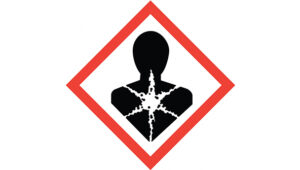
As we move forward into 2015, OSHA shows every sign of retaining its historically intense focus on protecting workers from carcinogens—that is, agents known to cause cancer. Carcinogens are addressed in specific OSHA standards for general industry, and also for shipyard employment and construction. According to OSHA, a special difficulty posed by carcinogens is that […]

OSHA Rulings Poised to Impact Industry Throughout 2015
As we bid goodbye to 2014 and settle into the new year, it’s important to stay focused on the issues that OSHA is likely to tackle in 2015 and to anticipate what the impact of any regulatory changes could be. Already on this blog, we’ve reviewed several areas in which OSHA looks likely to make […]

OSHA Keeps its Sights Set on Oil and Gas Worker Safety
Earlier this month, OSHA announced that it has signed a two-year alliance with the National Service, Transmission, Exploration & Production Safety (STEPS) Network, an all-volunteer organization devoted to reducing injuries and fatalities among oil and gas producers, and also the National Institute for Occupational Safety and Health (NIOSH), a federal agency that conducts research and […]

OSHA Mandates Egress Training
“This way to the Egress!” Back in the 1800’s, promoter P.T. Barnum posted these words on the walls of his museum in New York City to keep customers from lingering too long. Not knowing that “egress” was another word for “exit” many patrons hurried toward it, only to find themselves back outside. Egress is still […]

Acetic Acid Hazards & Safety Information
Acetic Acid Hazard Safety Tips Acetic acid may not be a household name to many, but it’s actually a quite commonly used hazardous chemical. As a vital chemical in industry, acetic acid is used for a variety of purposes in many countries around the world. Acetic acid hazards are often encountered in the workplace, and […]