










Ergonomics
589 results

Workplace Ergonomics Injuries: A Multibillion-Dollar Problem
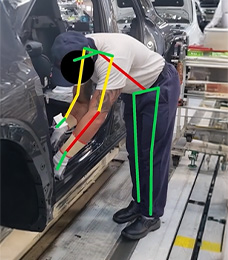
Part of the National Safety Council’s focus during National Safety Month 2015 is ergonomics, or how people can function most safely and effectively in their work environments. While employers are responsible for providing a safe workplace for their employees, work-related musculoskeletal disorders (MSDs) remain a significant cause of time off the job in numerous industries. […]

OSHA Plans New Injury and Illness Tracking Rules for 2015, Stays Silent on Silica
According to a newly-released Department of Labor spring regulatory agenda, OSHA is planning to propose seven final rules before the end of 2015, including a rule to improve tracking of workplace injuries and illnesses. According to the agenda abstract, OSHA “is making changes to its reporting system” because it believes this “would enable a more […]

The Day After OSHA’s Big GHS Deadline: What’s Changed?
In May of 2012, OSHA officially adopted the Globally Harmonized System (GHS) and set in motion a series of compliance deadlines for chemical manufacturers, distributors and employers who are covered by the Hazard Communication Standard (HazCom). The second and most important of those deadlines, June 1, 2015, was crossed yesterday. That was the deadline by […]

Manual Material Handling Calculators
Here are the links to two publicly available manual material handling calculators. For further information on this topic, view the archived webinar we presented last week on warehouse ergonomics. NIOSH – https://www.ccohs.ca/oshanswers/ergonomics/niosh/calculating_rwl.html Refer to this link to utilize the NIOSH Lifting Equation calculator from the Canadian Centre for Occupational Health and Safety. As long as […]
Calcium Chloride Hazards & Safety Tips
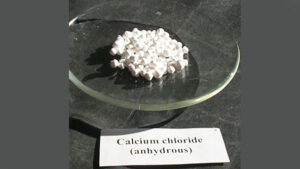
What is Calcium Chloride? Calcium chloride is an odorless, white, crystalline solid compound that is highly soluble in water. A type of salt, this calcium chloride is hygroscopic, which means it can attract and absorb water molecules from its surroundings. In fact, calcium chloride can attract several times its own weight in water, dissolving into a […]

OSHA’s June 1, 2015 GHS Deadline Less than a Month Away – Clock is Ticking!
June 1, 2015 is the deadline by which manufacturers, distributors, and importers must reclassify chemicals and update all SDSs and labels to the new GHS format. Many in the industry are in the process of preparing, but some still have questions about what will change for them, and what they’ll need to do in order […]

Ergonomics Tips for Pregnant Women
by Susan Shaw As an ergonomist, I’m often asked how to adjust workstations to fit all body types, from short and tall statures to the obese, but rarely am I asked about making adjustments for the pregnant female. Below are four tips on how to set up your workstation to address some of the most […]
Nitric Acid Safety Tips & Health Hazards
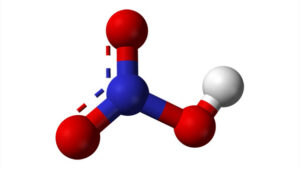
What is Nitric Acid? Commonly used in fertilizers (and in rare occasions even explosives) Nitric acid is a colorless or yellow liquid with a characteristically acrid, caustic odor and corrosive properties. This mineral acid has a variety of applications and presents several health hazards if used without the necessary safety precautions. Here are some important […]
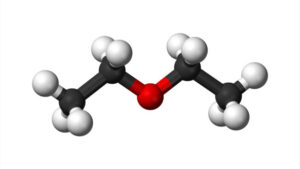
Understanding the Safety Risks of Diethyl Ether
What is Diethyl Ether? Previously used as an anesthetic, Diethyl ether is an organic compound used primarily as a solvent. This colorless, highly volatile chemical has a pungent, yet somewhat sweet odor. Due to its extreme flammability and other potential hazards, diethyl ether should be stored and handled with extreme care in the workplace. Read […]

Ethyl Acetate: A Sweet-Smelling Safety Hazard
What is Ethyl Acetate and Where is it Found? Ethyl acetate is a relatively common chemical used in a variety of industrial and household products. This compound liquid is colorless, with a characteristically sweet, pleasant odor. Due to its potential hazards, ethyl acetate should be stored and handled appropriately to avoid hazards to your health. […]