










Ergonomics
579 results

Office Dangers: Just Because You Sit in a Chair All Day, Doesn’t Mean You’re Safe
Workplace safety is often focused on workers doing rigorous tasks in industries with the perceived highest occupational risk, such as construction, mining, oil and gas, and manufacturing. However, one of the leading causes of workplace injuries, and one of the most costly to employers, affects those workers whose time is spent in offices and laboratories […]

Formaldehyde Safety Tips & Health Hazards from the SDS
What is Formaldehyde? Formaldehyde is a toxic chemical with a strong, pungent odor and a variety of associated health hazards. This chemical, which is used in the production of many materials, has a wide variety of applications across several industries. Formaldehyde is used to create resins, adhesives for plywood and carpeting, paper products, insulation, polyurethane, […]

Improper Hazardous Chemical Storage Can Have Disastrous Consequences
The extreme dangers of improper hazardous chemical storage are far too often overlooked, yet time after time, we are given shocking reminders of their deadly and destructive toll. As we continue to provide news and information around workplace safety during National Safety Month, we must not overlook two of the largest hazardous chemical disasters in […]

Nearly Unnoticed New PHMSA Final Rule Brings Big Changes: What You Need to Know
The United States Department of Transportation (DOT) Pipeline and Hazardous Materials Safety Administration (PHMSA) quietly issued a final rule on June 2, 2016, titled “Hazardous Materials: Miscellaneous Amendments,” which amends its Hazardous Materials Regulations (HMR). The implications are far reaching, affecting many PHMSA regulations, as well the shipping processes and chemical management tasks for various […]

Respirable Crystalline Silica Rule — What You Need to Know: Exposure Assessment
The OSHA final rule governing respirable crystalline silica calls for employers to monitor air quality and conduct exposure measurements in some situations. But how exactly should this monitoring be conducted? How frequently? What should employers do with the results? In this entry, we’ll try to answer common questions related to this requirement. Who needs to […]

Keeping Machine Shop Workers Safe: Occupational Exposure to Metalworking Fluids
There are many manufacturing jobs that exist, each with their own set of hazards. For machine shop employees who work with metalworking fluids (MWFS), designed to cool their machines and remove metal particulates produced as the machines operate, potential hazards stem from exposure to these common substances. Workers can breathe in aerosols created from machining, […]

Respirable Crystalline Silica Rule — What You Need to Know: Regulated Areas
The OSHA final rule governing respirable crystalline silica calls for employers in general industry and maritime to create regulated areas in order to limit employees’ exposure to silica dust in the workplace. But what exactly is a regulated area? Who can go in or out of it? What happens inside? In this entry, we’ll try […]
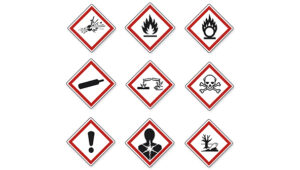
GHS is Here!
This week marked the culmination of the years-long effort to align OSHA’s Hazard Communication Standard with GHS, the UN’s Globally Harmonized System of Classification and Labelling of Chemicals. But it’s not the end! As Winston Churchill might say, it’s just the end of the beginning! OSHA has indicated an intent to review and potentially align […]

House Passes Sweeping Chemical Bill Revising TSCA Regulation of Asbestos, BPA, More
As reported in the Wall Street Journal late yesterday, the U.S. House has approved the Frank R. Lautenberg Chemical Safety for the 21st Century Act by a vote of 403-12. The bill is poised to require an unprecedented analysis of many hazardous chemicals to determine their safety and environmental impacts. It would set new exposure standards […]

Respirable Crystalline Silica Rule — What You Need to Know: Written Exposure Control Plan
The OSHA final rule governing respirable crystalline silica calls for all covered employers to maintain a written exposure control plan. But what exactly needs to be in this plan? Who should create or update it? How should it be used? This guide will try to provide some clarification as to exactly what OSHA is looking […]