






Ergonomics
579 results
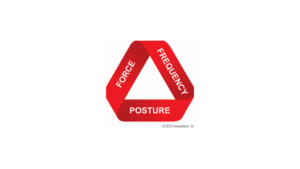
Risk Factors for MSDs: Focus on the Root Causes
Workplace assessments are one of the key steps to improving ergonomics, especially when the goal is to prevent musculoskeletal disorders (MSDs). However, it is our experience that many organizations assess for conditions which are not linked to causing MSDs. For an effective assessment of exposure to MSD risk factors, the bottom line is a need to […]

Dual Monitors or Laptop Screen: Which is a Pain in the Neck?
One of the ongoing discussions in the workplace is the comparison of different office workstation setups, specifically with the multitude of options available today; from various keyboard structures and angled mice, to monitor sizes and layouts. Working with multiple desktop monitors has been increasing recently, in an effort to enhance productivity and efficiency. On the […]

Keeping Workplaces Safe During National Safety Month… and Beyond
Observed annually in the United States in June each year, National Safety Month focuses on reducing the leading causes of injury and death at work, on the roads, and in the home and in communities. This year’s theme – “Keep Each Other Safe” – serves as an important reminder of the role we all play in protecting […]
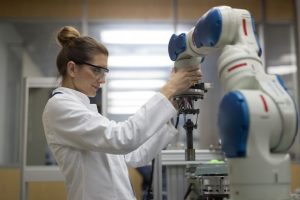
Collaborative and Autonomous Robots
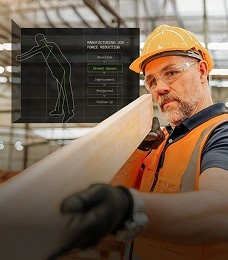
At Automation Alley’s TECHTakeover I explored the future of manufacturing at the presentation on collaborative and autonomous robotics. The technology presented was astounding, and opened my “ergo eyes” to a whole new dimension for the field of ergonomics. In ergonomics, there are four main risk factors for musculoskeletal disorders (MSDs); posture, force, frequency and duration. […]
Introducing Ergonomics to Operations
Operations and Safety don’t always speak the same language, not because Operations isn’t committed to keeping people safe at work or Safety isn’t concerned with meeting operational goals, but rather because each area has its own methods, processes, and measures. This communication gap can increase when ergonomics is added to the mix. Ergonomics is often […]
Ergo U: University of Michigan Engineering: Robotic Exoskeletons
In the new series, Ergo U: Ergonomics Research Notes from the Field, VelocityEHS ergonomist Blake McGowan meets with ergonomics researchers from leading universities and associations across the country to share their latest findings. Field Notes: Recently, Blake met with Dr. Daniel Ferris from the School of Kinesiology and Department of Biomedical Engineering at the University […]

Chemical Spotlight: Ammonium Chloride
Note: OSHA has a substance-specific standard to protect employees from overexposure to Ammonium Chloride. Read on for an overview of the chemical’s health hazards and related safety information. Get access to the industry-leading database of MSDS / SDS documents by signing up for a free trial. Ammonium Chloride and its Uses A white crystalline chemical, ammonium chloride is […]

EPA Toxics Release Inventory (TRI) Reporting Deadline Is July 1
July 1 is the deadline for companies covered by Section 313 of the Emergency Planning and Community Right-to-Know Act (EPCRA) to submit Toxics Release Inventory (TRI) data to the EPA for chemicals manufactured, processed, or otherwise used during 2016. A facility must submit a TRI report if it: Is in an industry sector with a NAICS […]

Chemical Spotlight: Triclosan
Triclosan and its Uses Triclosan is a solid crystalline chemical used primarily as an antibacterial agent in a variety of consumer products. Originally used as a cleaning scrub in hospitals in the 1970s, triclosan is now present in soap, detergent, shampoo, deodorant, toothpaste, surgical cleaners, pesticides, and even toys, although its efficacy and safety have […]

Are Your JSAs Good Enough? Don’t Wait for a Workplace Incident to Find Out
You already know that workplace accidents can have devastating consequences. You understand that effective EHS management must involve active identification and control of hazards, which is the primary intention behind risk assessments. You may even use job safety analysis (JSAs), to perform formal risk assessments that break down jobs into their constituent tasks in order […]