










Chemical Management
534 results

JSAs and Risk Management: Tips During the COVID-19 Pandemic
The global COVID-19 pandemic is creating serious challenges for employers, not simply because of the health risks of the disease itself to workers, but also because of the social distancing and workplace changes implemented to help slow the spread of the virus. Anxiety and urgency of response related to the COVID-19 threat is understandable, but […]

VelocityEHS Offering COVID-19 Disaster Relief Resources Including Emergency Hazardous Chemical MSDS/SDS Access During the Pandemic
In response to the uncertainty and need for information about COVID-19, VelocityEHS has launched its Disaster Relief web page, providing an abundance of timely resources to help EHS professionals and others during this outbreak, including limited time, complementary access to the safety data sheets (SDSs) associated with the EPA’s approved list of disinfectants for use against SARS-CoV-2, the cause of COVID-19. Individuals can now visit […]

Your Work-from-Home Toolbox
We’ve updated our Work-from-Home Toolbox to include all the content we’ve created for working away from the office, so that you can have the healthiest experience working from home! Whether this is new for you, if you’ve been working remotely for years, or if you travel frequently for your job, it’s important to know how […]

Chemicals in the Workplace: COVID-19 Cleanup Considerations
The ongoing global pandemic involving the novel coronavirus SARS CoV-2 that causes COVID-19 is creating an urgent need for disinfectant usage. Frequent cleaning of potentially contaminated surfaces is essential to limit the further spread of the virus. EPA has provided some direction by publishing a list of disinfectants recognized to be effective against SARS CoV-2 […]
A How-To Guide: The NIOSH Lifting Equation
The National Institute of Occupational Safety and Health (NIOSH) has developed many useful tools and documents to aid industries in developing an ergonomics program. A commonly-used tool that NIOSH developed is the NIOSH Lifting Equation. The NIOSH Lifting Equation is used to determine the risk of a low back injury while performing lifting tasks. What […]

HazCom & WHMIS Updates: U.S. and Canada Publish RCC Work Plans for 2019-2020
On March 10, 2020 the U.S.–Canadian Regulatory Cooperation Council (RCC) published its 2019-2020 work plans. These work plans introduce the specific initiatives that the RCC will pursue over the coming year to promote further alignment between U.S. and Canadian health, safety and environmental regulations. The 2019-2020 RCC work plans will specifically focus on continued alignment […]
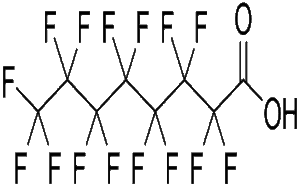
New Act Adds 160 PFAs to EPA’s to List of TRI-Reportable Chemicals
The National Defense Authorization Act (NDAA) for Fiscal Year 2020 recently added 160 per- and polyfluoroalkyl substances (PFAS) to the list of chemicals covered by the Toxics Release Inventory (TRI) under Section 313 of the Emergency Planning and Community Right-to-Know Act (EPCRA). This addition creates immediate regulatory requirements for establishments that manufacture, process, or otherwise […]

OSHA NEP Targets Employers for Respirable Crystalline Silica Standard Compliance
On February 4, 2020 OSHA announced it will be launching a national emphasis program (NEP) aimed at reducing occupational exposures to respirable crystalline silica (RCS), and promoting compliance with its Respirable Crystalline Silica Standards for general industry, maritime and construction industries. Background A 2015 report from the U.S. Centers for Disease Control & Prevention (CDC) […]

OSHA Recordkeeping: Causes and Consequences of Underreporting Workplace Injuries & Illnesses
OSHA workplace injury and illness reporting season is already upon us, and there’s no better time for employers to take a step back and review their injury and illness recordkeeping practices — not only to make sure you’re in compliance, but to evaluate whether you’re capturing the most accurate possible injury and illness data in […]

CSB Proposes New Accidental Chemical Release Reporting Requirements
The Chemical Safety and Investigation Board (CSB) recently issued a notice of proposed rulemaking (NPRM) that would create new accidental chemical release reporting requirements, in addition to those already in place under other regulations. In comparison to existing regulatory requirements, the CSB proposed rule would broaden reporting requirements by requiring reporting under a range of […]