










Chemicals
368 results
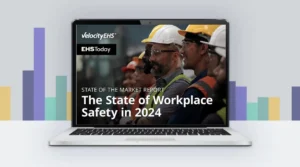
Workplace Safety in 2024: Trends, Challenges, and the Future
Workplace safety remains a top priority for organizations across industries in 2024. In an environment marked by a constrained labor market and increasing expectations from both employees and regulators, companies are making significant strides to reduce accidents, minimize associated costs, and enhance their safety cultures. Earlier this year, we conducted a State of the Market […]
Five Steps To Preventing Musculoskeletal Disorders In The Chemical Industry Ebook
Download this eBook now to learn how to effectively prevent musculoskeletal disorders (MSDs) in the chemical industry.

EHS Regulatory Recap & Ways to Stay Compliant Using an ISO Approach to EHS Management: Velocity + STP Post Webinar Highlights
VelocityEHS recently hosted the webinar “Regulatory Recap & Ways to Stay Compliant Using an ISO Approach to EHS Management,” presented by VelocityEHS Senior EHS & ESG Content Manager Greg Duncan, MELP, CSP and STP ComplianceEHS Director of Partnerships Shannon Major, BES(Hons), EP (CEA). Key themes and highlights from the discussion included: What are the Relevant […]

Improving Your Perception of Safety Risks (Or, “Why There Might Be a Bear in Your Car!”)
By Phil Molé, MPH Vehicle owners in Winston, Connecticut got quite a surprise when they returned to their car the morning of July 15, 2024. They heard the horn blaring and the radio blasting and saw a full-grown black bear and a cub trapped inside the car. The owners contacted state environmental conservation officials, who […]
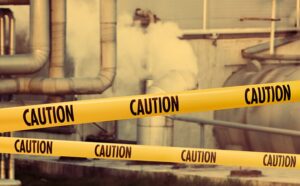
If You Think Management of Change Processes Take a Lot…Try Disaster Response
Changes occurring within an organization’s operations are inevitable, and it’s imperative that the crucial process of Management of Change (MOC) procedures be completed to assess and address the risks or unintended consequences that stem from changes made. MOC is a systematic method for identifying and controlling safety, health and environmental risks associated with planned […]
Understanding OSHA’s New Heat Injury and Illness Proposed Rule
By Phil Molé, MPH After years of preparatory work, OSHA recently published a Notice of Proposed Rulemaking (NPRM) on heat injury and illness prevention that will affect many outdoor and indoor US worksites. Employers across different industries will need to understand the potential requirements in OSHA’s new heat injury and illness proposed rule and start […]
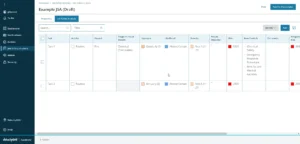
Job Safety Analysis (JSA): The Essential OH&S Compliance Tool
In all my research and study of OSHA workplace standards over the years, I’ve yet to come across a specific requirement that employers must apply and document a job safety analysis (JSA) to comply with an OSHA standard. In fact, you don’t really see any references to JSAs within the text of OSHA’s volume of […]
Regulatory Alert: OSHA Publishes Final Rule Revising the HazCom Standard
By Phil Molé, MPH It’s finally happened! OSHA has published its long-awaited final rule updating requirements in its Hazard Communication (HazCom) Standard. The publication of the final rule ends months of waiting and uncertainty by manufacturers and users of hazardous chemicals and aligns HazCom with updated versions of the UN’s Globally Harmonized System of Classification […]
EPA Adds New PFAS Chemicals to TRI/Form R Reporting List
The July 1 deadline for Toxic Release Inventory (TRI)/Form R reporting is quickly approaching. This year, an additional challenge that many EHS professionals may not know about is that EPA added additional per- and polyfluoroalkyl substances (PFAS) to the list of TRI reportable chemicals. You need to know whether you have TRI-listed PFAS in your […]