










Chemicals
368 results

Danger in Coffee Roasting? Report Suggests Diacetyl Health Risk
More than a decade ago, the chemical compound diacetyl, which is used to add flavor and aroma to foods and other products, came under fire after an investigation by The National Institute of Occupation Safety and Health exposed it as responsible for lung disease in several microwave popcorn plant workers. The disease, bronchiolitis obliterans—often called […]
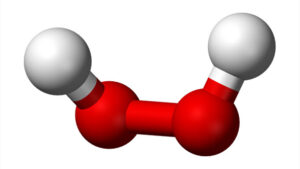
Hydrogen Peroxide Health & Safety Tips
What is Hydrogen Peroxide? Hydrogen peroxide was first discovered in the early 19th century, but the pure chemical was not produced until 1894. Today, this chemical is produced in quantities of more than 2 million tons worldwide each year. Hydrogen peroxide is a chemical compound usually produced as a diluted solution. This colorless, slightly viscous […]

Phosphoric Acid Safety Tips
What is Phosphoric Acid? Phosphoric acid is a colorless, odorless mineral acid. With an acidic taste and somewhat viscous consistency, phosphoric acid is used in a wide variety of products and industries. Despite its popularity, this chemical can pose some potentially significant health hazards and should be handled with caution. Common Uses of Phosphoric Acid […]
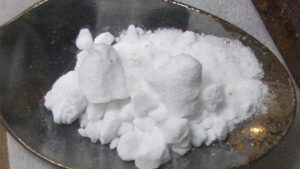
Sodium Carbonate Hazards & Safety Tips
What is Sodium Carbonate? Sodium carbonate is a white crystalline or powdered chemical that is odorless with an alkaline taste. This material comes from the ashes of plants that grow in sodium-rich soil. Also known as soda ash, sodium carbonate is sometimes produced synthetically from salt and limestone. Sodium carbonate can cause mild-to-severe health hazards and should […]

Workplace Ergonomics Injuries: A Multibillion-Dollar Problem
Part of the National Safety Council’s focus during National Safety Month 2015 is ergonomics, or how people can function most safely and effectively in their work environments. While employers are responsible for providing a safe workplace for their employees, work-related musculoskeletal disorders (MSDs) remain a significant cause of time off the job in numerous industries. […]

The Day After OSHA’s Big GHS Deadline: What’s Changed?
In May of 2012, OSHA officially adopted the Globally Harmonized System (GHS) and set in motion a series of compliance deadlines for chemical manufacturers, distributors and employers who are covered by the Hazard Communication Standard (HazCom). The second and most important of those deadlines, June 1, 2015, was crossed yesterday. That was the deadline by […]

Chemical Hazard News Highlights – May 15, 2015
At VelocityEHS, we’re committed to keeping our customers informed about EHS news from across the country and around the world. That’s why we present this news roundup each Friday, featuring EHS stories from the week that they might have missed. This week we saw OSHA continuing to level fines against violators, with an emphasis on […]
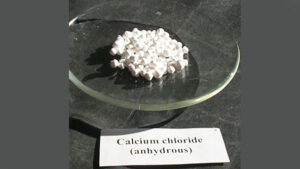
Calcium Chloride Hazards & Safety Tips
What is Calcium Chloride? Calcium chloride is an odorless, white, crystalline solid compound that is highly soluble in water. A type of salt, this calcium chloride is hygroscopic, which means it can attract and absorb water molecules from its surroundings. In fact, calcium chloride can attract several times its own weight in water, dissolving into a […]

OSHA’s June 1, 2015 GHS Deadline Less than a Month Away – Clock is Ticking!
June 1, 2015 is the deadline by which manufacturers, distributors, and importers must reclassify chemicals and update all SDSs and labels to the new GHS format. Many in the industry are in the process of preparing, but some still have questions about what will change for them, and what they’ll need to do in order […]
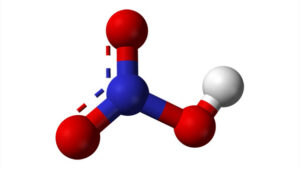
Nitric Acid Safety Tips & Health Hazards
What is Nitric Acid? Commonly used in fertilizers (and in rare occasions even explosives) Nitric acid is a colorless or yellow liquid with a characteristically acrid, caustic odor and corrosive properties. This mineral acid has a variety of applications and presents several health hazards if used without the necessary safety precautions. Here are some important […]