





take a look around.


If you’re looking for information about how upcoming changes to OSHA’s HazCom Standard will affect your business and safety management practices, or about the GHS in general, you’ve come to the right place.


As you explore this Resource Center, find details you need about the context and history of the HazCom Standard, the major changes coming because of OSHA’s 2024 final rule, the compliance timeline, and major takeaways about how to prepare. If you’re looking for details about the history of GHS and its global adoption status in different areas, you can find that here, too.


Click on the links below to start exploring and be sure to check back for updates from OSHA about the HazCom changes or about news regarding GHS adoption around the world. Want to see how the VelocityEHS Chemical Management Solution can simplify GHS/HazCom compliance and workplace chemical management? Check out our solutions page to learn more or schedule a demo.

Check out these Quick Links.

GHS Explained

Discover what the GHS is, why it was developed, and how it is used worldwide for hazard communication.

History of GHS

GHS dates back to the 1992 United Nations Conference, where the need was first recognized.

GHS Facts

Find out more about the GHS with our top ten interesting facts.

Background of OSHA’s Changes

Learn about the background of OSHA’s 2024 final rule, including the history and purpose of the HazCom Standard.

Reviewing the Main Changes

Get a comprehensive overview of the major changes to the HazCom due to the 2024 final rule.

Compliance Transition Timeline

Learn the compliance timeline for OSHA’s 2024 final rule for different parties throughout the chemical supply chain.

Glossary of Terms

Visit our glossary page to better understand common technical terminology used in GHS.

Useful Info & Resources

Explore useful GHS information, as well as blog articles, compliance checklists, webinars, guides, and ebooks.

GHS Explained.

What is GHS?

GHS stands for the Globally Harmonized System of Classification and Labelling of Chemicals. 

Developed by the United Nations, the premise of the GHS is that existing chemical classification and labelling systems should be harmonized in order to develop a single, globally harmonized system to address classification of chemicals, labels and safety data sheets. 

Why have the GHS?

Given the large number of hazardous chemicals in the world, the ability of one agency to effectively regulate them all is impractical if not impossible. In essence, each country or organization is on its own. 

Many countries and organizations have established laws and regulations requiring information to be prepared and transmitted through labels and/or safety data sheets to those people using or handling hazardous chemicals.

The Background of OSHA’s HazCom Changes.

Review Major HazCom Changes.

OSHA published their HazCom final rule on May 20, 2024, finally ending years of anticipation by stakeholders. Keep reading to learn some of the major changes to HazCom due to the final rule and check back often for updates.

The ComplianceTransition Timeline.

OSHA has extended the timeline for compliance with the final rule, compared to the timeline originally proposed in the NPRM. The proposed phased-in compliance timeline had been 1 year for manufacturers of substances and 2 years for manufacturers of mixtures. Between the effective date and the respective compliance dates for substances and mixtures, manufacturers of chemicals can comply with either the previous version of the HazCom Standard or the revised Standard when classifying their chemicals, authoring SDSs and labeling their shipped containers.

Based on stakeholder feedback, OSHA has lengthened the timeline in the final rule to 18 months for manufacturers of substances and 36 months for manufacturers of mixtures, as measured from the final rule’s effective date of July 19, 2024. Employers at workplaces using chemical products affected by the final rule would have six months from the manufacturer deadlines for substances and mixtures, respectively, to make any changes necessary to workplace hazard communication practices (e.g., workplace labels, written HazCom plan, and worker training) based on updated chemical hazard information provided by their suppliers.

3d Sspp Gallery 21 Desktop 1036x668

Big Takeaways on HazCom Changes.

OSHA’s 2024 HazCom final rule represents the first significant update to the HazCom Standard since OSHA aligned the standard with GHS Revision 3 in 2012.

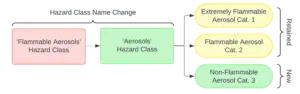
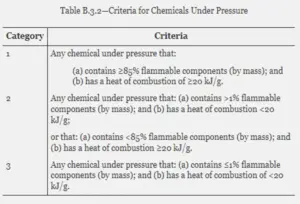
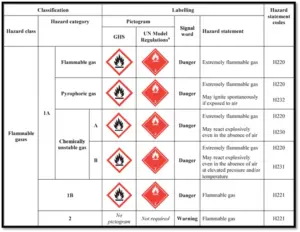
With modifications to existing hazard classifications and labelling elements and the addition of new hazard classes, hazardous chemical manufacturers, importers and distributors in the US will need to re-evaluate the hazards of the products they sell or import into the country to ensure product hazards are classified and labelled according to revised HazCom  criteria. This is particularly true for chemicals in the hazard classes of flammable gases, aerosols, chemicals under pressure and desensitized explosives, because OSHA’s changes to hazard classifications directly affect those products.

Therefore, many SDSs and shipped container labels for chemicals impacted by the proposed changes will need to be re-authored to reflect changes in chemical hazard classification or mandatory labelling information and ensure compliance with updated requirements. Specific industry sectors identified by OSHA as affected by these changes include chemical manufacturing, oil and gas extraction, and plastics and rubber products manufacturing will be more significantly affected by these classification changes. All chemical manufacturers will also need to prepare for the new shipped container label allowances and requirements for small and very small containers. In the final rule, OSHA estimates that 94.4% of SDSs and 64% of labels (non-small/very small) will need revision.

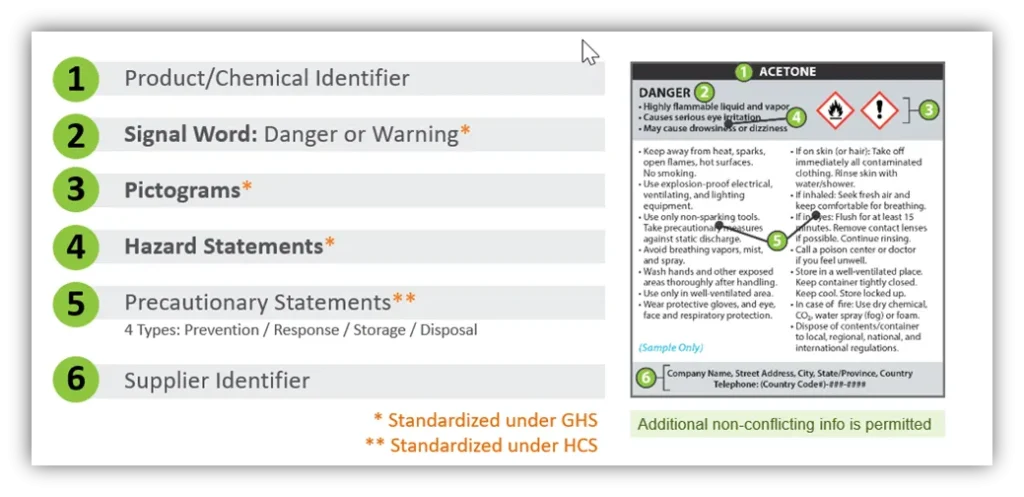
However, all users of hazardous chemicals throughout the supply chain will be impacted by these changes, too. Employers at facilities where these chemicals are used and stored will need to be aware of the changes to classifications and associated information, such as hazard pictograms, hazard statements and precautionary statements, and use the updated information on workplace container labels. They may also need to update their written HazCom plan to reflect the new information, and update the HazCom training they provide to employees who work with hazardous chemicals.

The preparation starts with understanding your chemical inventory, and knowing whether you have chemical products affected by the coming changes. You’ll also need simple and time-efficient ways to manage your SDS library as new documents arrive, and to provide your workforce with barrier-free access to SDSs during their workshift.

No matter where you are in the chemical supply chain, VelocityEHS can help you. Chemical and SDS management capabilities in our Safety Solution, part of our Accelerate Platform®, can help you maintain an up-to-date chemical inventory and SDS library, and provide access to all of your SDSs from anywhere using a mobile device. We can also help you quickly print workplace container labels containing hazard communication information from your current SDSs. And if you’re a chemical manufacturer, importer, or decide to create your own SDSs and labels, the authoring and regulatory consulting services provided by our in-house experts will help you create SDSs and shipped labels that reflect the latest HazCom changes before the compliance deadline.

Contact us today to learn more about how we can help you be safer and more sustainable.

Ready to see VelocityEHS in action?

Request a live demo today and see how VelocityEHS can drive impact and protect your people, faster.

Request a Meeting