








On-Demand Webinars
166 results

Scope 3 GHGs – Determining Materiality and Quantification Tools
Due to stakeholder demands, competitor pressures, and proposed legislation and rulemakings, companies are now being pulled into quantifying the full range of value chain emissions (Scope 3). Scope 3 GHG emissions consist of a company’s indirect emissions up and down the value chain and provide a more complete picture of an organization’s GHG footprint to […]

National Pollutant Release Inventory (NPRI) Reporting: Managing Compliance
The NPRI, managed by Environment and Climate Change Canada, currently tracks over 300 chemical substances, and helps ensure accurate information about chemical pollutants released to air, water, and land and pollutants that are disposed or recycled. Mandatory reports are due by June 1 of each year if you are subject to reporting requirements. Are you […]

Using Chemical Management and Green Chemistry to Improve Your ESG Maturity and Value Chain Relationships
While many company leaders are now focused on Sustainability and Environmental, Social and Governance (ESG), they may still be thinking of chemical management as a Safety responsibility, and may not see the connection between better chemical management and building ESG maturity. In reality, so much of ESG management starts with chemical management. Chemical choices can […]

Canada’s Final Rule Updating Hazardous Products Regulations (HPR): What You Need to Know
Right at the beginning of 2023, Health Canada published a final rule to update its Hazardous Products Regulations (HPR) to align with the seventh revised edition of the United Nations Globally Harmonized System of Classification and Labelling of Chemicals (GHS). The final rule starts the compliance timeline and will have consequences for chemical users throughout […]

Integrating Psychosocial Risk Management with Process Hazard Analyses
A 2018 study published in Safety and Health at Work showed that employee-reported levels of mental well-being positively correlate with their understanding of workplace risks and controls and the resources available to address safety risks. It recommended building a robust system to manage psychosocial risks in industry. Psychosocial risks are the anxiety stressors of workers […]

Essential Elements of a Safety Management System: How to Keep up with Changing Requirements
Do you feel like your job as a safety manager is never done? Do you want to lead workplace safety based on best practices and take a more proactive stance rather than simply reacting to issues and putting out fires? If so, this is the webinar for you. Safety managers need to be on top of their […]

The EHS to ESG Journey
Join us on January 17 for the webinar “The EHS to ESG Journey”. Traditional EHS management has focused on goals such as identification and reduction of workplace risks resulting in threats to the safety and health of employees and the environment, or in violations of major regulations. However, that’s all changing due to the rise […]

Using AI to Assess Risk and Solve Problems in Manufacturing
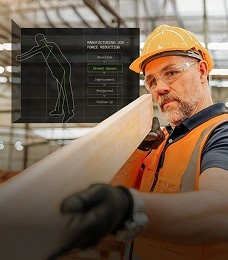
Today, manufacturing is undergoing a seismic transition from Industry 4.0 (technology-driven) to Industry 5.0, which is focused on value-driven technology. Industry 5.0 places more importance on sustainability, respecting the boundaries of our planet and placing the wellbeing of the industry worker at the center of the production process. The future of work will require industries […]

Weathering the Storm: How ESG Maturity Helps You Maintain EHS Compliance in Challenging Times
Many discussions of Environmental, Social and Governance (ESG) correctly talk about benefits like operational excellence, return on investment (ROI), and positive brand identity, but those can seem remote to the average EHS professional struggling to maintain compliance with EHS regulations. Perhaps you’re one of the many EHS professionals wondering how ESG can benefit you, and […]
Climate Disclosures and Private Companies: 3 Things to Do Now
In the 2022 survey, “US execs strategic, pragmatic and (still) pandemic-ready,” research found that 82 percent of US chief executives find environment, social and governance (ESG) as a value driver to their business over the next few years, and virtually all have developed a sustainability strategy, which included a mix of public and private leaders. […]