






Ergonomics
61 results

2022 Virtual Ergonomics Conference: How Machine Learning is Advancing Ergonomics Effectiveness
The challenge of driving greater efficiency and effectiveness in ergonomics grows every year, just as it does for all aspects of manufacturing. Concurrently, EHS professionals are also managing a steadily increasing amount of data. Machine learning applications provide the opportunity for safety professionals to complete tasks more easily, quickly, and accurately. VelocityEHS experts Julia Penfield, PhD, Principal Machine Learning […]

2022 Virtual Ergonomics Conference: How Ergonomics and MSD Risk Reduction Efforts Impact Corporate Sustainability Metrics
Sustainable finance and Environmental, Social, and Governance (ESG) investing are two of the most significant drivers of today’s investment trends. Institutional and private investors, not to mention customers and the global public-at-large, increasingly demand that business leaders adopt a strategic approach to corporate sustainability and integrate ESG risk management into their financial and operational models—not […]
2022 Virtual Ergonomics Conference: Process Management and ROI
Sustaining a successful ergonomics process involves updating your program as it matures. During this session, participants were encouraged to share how they have used different process elements including: Return on Investment Measures of Risk and Risk Reduction Design and Purchase Criteria Project Tracking and Reports Communication of Roles and Responsibilities Organizational Accountability Supplemental Training and […]

Communicating the Value of Ergonomics to Business Stakeholders
Business stakeholders (plant leadership, quality, operations, manufacturing, board of directors, and investors) generally have a limited awareness or understanding of the value of both industrial and office ergonomics. Communicating in a way they understand is critical, but first it must be defined. In simple terms, ergonomics is the science of designing the workplace to match […]

2022 Total Worker Health Conference: Psychosocial Stress and MSD Risk: A Q&A with the Researchers
The most common and addressed physical risk factors that contribute to musculoskeletal disorders (MSDs) are high force, awkward postures, and high frequency of work. Increasing the combination of these factors increase the risk of developing a workplace injury. The lesser-known contributor of MSDs is psychosocial stress, age, sex, and obesity. The reason is that these factors are […]
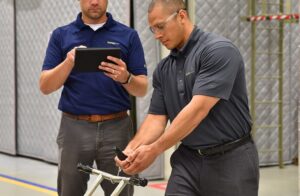
Quantifying Forceful Exertions in Ergonomics Assessments
Force is a primary risk factor for musculoskeletal disorders in the workplace and is a key element of most ergonomics assessments. Unfortunately, it’s difficult to collect and measure force data, and therefore assessment scores are often inaccurate and unreliable. To resolve the inconsistencies, it’s first important to understand the organization’s culture, the ergonomics process maturity, […]
Planning and Deploying A Large Scale Ergonomics Process: Year by Year
Register today Too many large organizations have launched an ergonomics process only to have it “fizzle” out. Processes often struggle in situations when: Failure to initiate and maintain an effective process can result in loss of credibility and trust by employees and management, wasted resources, and poor results. The key to long-term success in ergonomics […]

Psychosocial Risks and Musculoskeletal Disorders: A Safety Management Systems Approach
Job stress isn’t just about job satisfaction or the likelihood that you are searching for a new job. Job-related stress impacts your physical well-being. Maybe it seems obvious that extra stress at work affects your blood pressure and your chances of having a heart attack, but it also impacts your aches and pain. Your job […]
Office Ergonomics – The Good, The Bad, the ROI
This webinar will breakdown the true cost of CTDs and MSDs, demonstrate the effectiveness of ergonomics software, and arm EHS and HR professionals with the ROI information they need to make the case for ergonomics in their organizations.