











Regulations & Compliance
715 results

Understanding the Hazards of Hexane
What is Hexane and Where Can it Be Found? Hexane is a chemical commonly extracted from petroleum and crude oil. It is a colorless liquid that gives off a subtle, gasoline-like odor. Hexane is highly flammable, yet it can be found in many household products such as stain removers for arts and crafts projects. Because […]
EPA, USCSB Investigate Fatal Toxic Gas Leak in Texas Facility
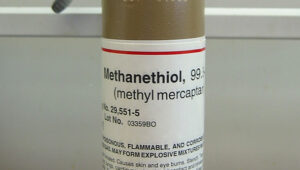
Early Saturday morning, a toxic leak of methyl mercaptan gas (also known as methanethiol) killed four workers at a DuPont chemical plant in La Porte, Texas, just outside of Houston. A fifth worker was hospitalized and released. Yesterday, teams from the EPA, the Texas Commission on Environmental Quality, and the United States Chemical Safety Board […]
Fire Safety Remains a Top Priority for OSHA
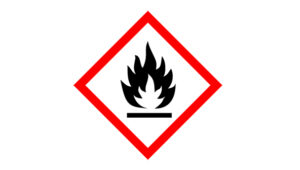
According to the Bureau of Labor Statistics, fires and explosion accounted for 148 workplace deaths in 2013—or 3.4% of all fatal occupational injuries for the year. Despite industry and regulatory efforts to improve fire safety, this number (and percentage) has remained stubbornly constant since 2007. Despite this levelling off, it’s clear that OSHA intends that […]

OSHA Gives Chemical Blenders Break on GHS – HazCom Authoring Deadline
According to a letter addressed to the American Coatings Association, OSHA has stated that it is willing to use its enforcement discretion to determine whether chemical manufacturers have made a good faith effort to obtain information necessary to comply with the June 1, 2015 chemical reclassification and safety data sheet authoring deadline. The deadline is […]

Should I use a wrist brace at work?
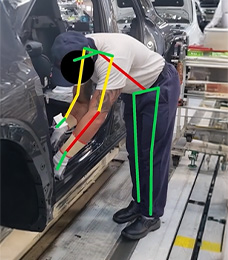
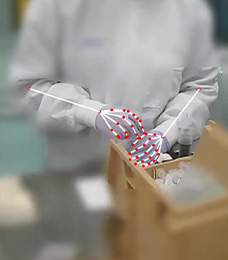
by Rick Barker, CPE Most ergonomists discourage the use of wrist braces as an injury prevention strategy. There is no compelling evidence that braces help prevent musculoskeletal injuries. In many jobs, introducing a brace actually increases awkward shoulder and elbow postures as the employee uses different arm positions to compensate for the lack of wrist […]
Top 10 OSHA Violations of 2014
OSHA named the Top 10 OSHA violations of 2014 at this year’s National Safety Council Congress and Expo in San Diego. Not surprisingly, Fall Protection, Hazard Communication and Scaffolding kept a tight lock on the top three spots. Here is the complete Top 10: Most Cited Violations of 2014 Fall Protection (29 CFR 1926.501) – […]
Hydrochloric Acid Hazards & Safety Tips
What Exactly is Hydrochloric Acid & Where is it Found? Hydrochloric acid hazards are serious. However, you may be surprised to learn that hydrochloric acid is commonly used in many types of industrial processes. Approximately 20 million tons of hydrochloric acid are produced globally each year, and you can even find it in your own […]
5 Stories on Why Managing Hazardous Chemicals in the Workplace is so Important
Here are 5 stories, with 5 lessons, that illustrate why chemicals in the workplace, no matter the size of the company or the number of employees, are serious business. As demonstrated below, how chemicals are used, stored, labeled, and disposed of, and how employees are trained on chemical hazards, affects workers, customers, and in some […]

Adoption vs. Engagement – It’s Not Me, It’s You!
Many clients have asked me for advice on how to improve user adoption – I propose however that it’s not user adoption they need, it’s engagement! There are multiple schools of thought on the difference between adoption and engagement, but for the purpose of this blog post, here’s my stance: Adoption – users have accepted […]

Methanol MSDS Safety Tips from Experts
Methanol is a natural by-product of wood alcohol, natural gas and coal. It has also recently garnered attention for being used in biofuel. But don’t let the “green” of this chemical fool you. Methanol is very dangerous and can cause death when mishandled. Therefore, it is crucial to understand how to handle methanol in a […]