












Optimizing EHS Programs
530 results
Ergonomics Conference Summary—Process Management and Return on Investment (ROI)
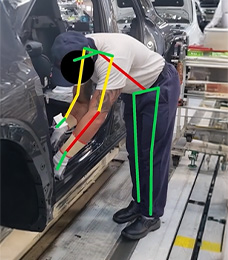
VelocityEHS recently held its virtual Ergonomics Conference. This conference provided thought leadership on ways to focus on the job improvement process while reducing workplace injuries related to musculoskeletal disorders (MSDs). One of the presentations covered Process Management and ROI. This presentation was conducted by VelocityEHS experts Rick Barker, CPE, CSP, Principal Solutions Strategist, Ergonomics, and […]
ISSB’s Consolidation of ESG Reporting Frameworks: What You Need to Know
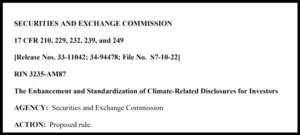
The International Sustainability Standards Board (ISSB), created in late 2021 to improve the global consistency of ESG reporting, has published its first two draft standards for public comment. One standard lays out a framework for general sustainability-related disclosures, while the other standard specifically addresses climate-related disclosures. Both standards are sure to attract a great deal […]

Workplace Safety—The Impact of Psychosocial Hazards and How to Address Them
Workplace safety is much more than just making sure employees leave work without injury. It’s more than providing a safe work environment, or just encouraging employees to take care of their mental health. It’s about cultivating a workplace environment that allows employees to have direct input into their safety and control of work processes. It’s […]

The Dangers of Sedentary Work
Lack of movement during working hours (at home or in the office) contributes to physical and emotional pain and illness. It’s time to move! The human body is made for movement. It turns out that, as studies show, people who work in offices or home offices spend between 10 to 11 hours a day in […]

New Webinar On-Demand: Hazardous Waste Management for Small Quantity Generators
Many small businesses generate hazardous waste and must comply with federal hazardous waste management regulations. As a small business how are you supposed to know what hazardous waste you are producing and how are you supposed to manage it? Recently, Brad Micheel, P.E., Senior Solution Strategist, Environmental for VelocityEHS hosted a live webinar where he […]
Introduction to Hazardous Waste Management, Part Four: Generator Pre-Transport and Manifest Requirements
Welcome to Part Four of our ongoing series, “Introduction to Hazardous Waste Management.” In case you missed the previous installments, check out Part One to find out how to determine if your waste is hazardous, Part Two for a primer on how to determine your generator status and associated compliance obligations, and Part Three for an overview of managing […]
New Infographic Offers a Systematic Approach to Contractor Safety Management
VelocityEHS is proud to announce our latest infographic “Applying a Systematic Approach to Contractor Safety Management” which offers a close-up look at the contractor safety management lifecycle in order to help host employers, contractor providers, staffing agencies and temporary employees alike apply a more structured and continuous improvement-focused approach to contractor safety management. Download the […]

Solving the Problem of an Incomplete Permit-to-Work System
When it comes to process safety management (PSM)-related accidents or other major industrial accidents, incident investigators and other EHS professionals tend to concentrate on some of the more common root causes of process safety failures. Unfortunately, it’s easier to overlook some less common root causes, and therefore not to sufficiently focus or consider actions needed […]
Introduction to EHS Risks, Part Two: Prioritizing Your Risks
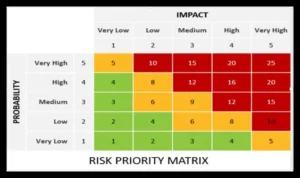
Welcome to the second installment of our blog series “Introduction to EHS Risks,” in which we’ll break down how to prioritize your risks using a tool called the risk matrix. In case you missed our first installment, take some time to check it out for an overview of EHS risks, and to learn why you […]

VelocityEHS & Urjanet Integration Automates Utility Data Analysis for More Efficient ESG Reporting
When it comes to Environmental, Social, and Governance (ESG) reporting, utility data is one of the most crucial and basic sources of information for evaluating your company’s GHG emissions, carbon footprint and other climate impacts—impacts that are essential indicators of overall ESG performance. With clear and increasing demand from investors, customers, workers and other stakeholders […]