









Optimizing EHS Programs
522 results
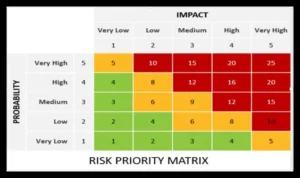
Introduction to EHS Risks, Part Two: Prioritizing Your Risks
Welcome to the second installment of our blog series “Introduction to EHS Risks,” in which we’ll break down how to prioritize your risks using a tool called the risk matrix. In case you missed our first installment, take some time to check it out for an overview of EHS risks, and to learn why you […]

VelocityEHS & Urjanet Integration Automates Utility Data Analysis for More Efficient ESG Reporting
When it comes to Environmental, Social, and Governance (ESG) reporting, utility data is one of the most crucial and basic sources of information for evaluating your company’s GHG emissions, carbon footprint and other climate impacts—impacts that are essential indicators of overall ESG performance. With clear and increasing demand from investors, customers, workers and other stakeholders […]
OSHA’s Proposed Rule to Update Electronic Injury and Illness Reporting: What You Need to Know
The pace of new regulatory activity isn’t getting any slower. OSHA just published a Notice of Proposed Rulemaking (NPRM) that would update the Recordkeeping Standard to significantly expand electronic reporting requirements for many establishments, and result in the publication of occupational injury and illness records for those establishments. Not everyone seems to have heard about […]

What to Do When Ergonomics Design Criteria Fall into a Gray Area
As more and more corporations establish continuous improvement processes in their production facilities to improve ergonomics and reduce musculoskeletal disorders, one thing has become clear: fixing poorly designed equipment and processes is expensive and not always practical. It’s significantly more cost effective to adjust workstations and equipment as they’re being designed on a computer screen, […]
Reportable? Recordable? Take the Guesswork out of OSHA Recordkeeping
OSHA Recordkeeping and Reporting Requirements help protect the safety of employees by requiring many employers to keep records of occupational injuries and illnesses. Covering over 750,000 employees and 1.5 million establishments, it allows both employers and employees to better understand how the company is performing regarding safety and actions taken to mitigate hazards in the […]
Understanding the SEC’s Proposed ESG Disclosure Rule
The United States Securities & Exchange Commission (SEC) recently published a proposed rule that would expand and enhance disclosure requirements pertaining to Environmental, Social, and Governance (ESG) and climate-related risks for public companies. While many businesses have long anticipated such a move by the SEC, many companies have greeted the news with reactions ranging from […]
Using Leading Indicators to Improve Safety Management
There are many articles and webinars on leading indicators at safety conferences and in EHS publications, and everyone rightly agrees they’re good things. But it’s not always clear to the average EHS professional what leading indicators actually are, how they improve safety, and what kinds of factors you need to consider if you’re going to […]

Introduction to Hazardous Waste Management, Part Three: Managing Hazardous Wastes On-Site
Welcome to Part Three of our ongoing series, “Introduction to Hazardous Waste Management.” In case you missed the previous installments, please check out Part One to review how to determine if your waste is hazardous, and Part Two for a primer on how to determine your generator status and associated compliance obligations. Throughout this series, […]

Five Amazing Benefits of ESG for Companies of Any Size
Many company leaders mistakenly believe that Environmental, Social, and Governance (ESG) is only for “big” companies. But the truth is, any small or mid-size company can make a huge impact on sustainability while also reducing costs, having a competitive advantage, retaining talent, attracting investors, and more. Implementing an ESG program can seem overwhelming, especially for […]

A Summary: Total Worker Health Conference—Why Industrial Hygienists Should C.A.R.E.?
VelocityEHS recently held a virtual conference on Total Worker Health® (TWH) to spread knowledge about the TWH National Institute for Occupational Safety and Health (NIOSH) initiative, focused on a holistic approach to worker well-being. TWH is defined as the policies, programs, and practices that integrate protection for work-related safety and health hazards with the promotion […]