










Industry Trends
158 results

Key Takeaways from the Latest OSHA and BLS Injury and Illness Data
On March 31, OSHA published the latest injury and illness summary data collected from select establishments subject to electronic reporting requirements under the Recordkeeping Standard. This data for reporting year 2022 joins other data recently issued by the Department of Labor, including Bureau of Labor Statistics (BLS) data for 2021 released in late 2022, as […]
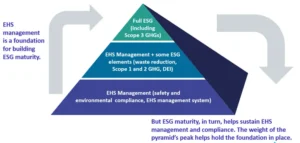
Start an ESG Program by Stepping into It Through Safety
Phil Molé, ESG & EHS expert with VelocityEHS, recently wrote a blog, “Why Should ESG Matter to Me? Part One: EHS and Safety Managers.” In this blog he goes into detail about the important connections between safety management and environmental, social, and governance (ESG) and why it should matter to EHS and Safety Managers. And […]

Everyday Safety: Chemical Management in the Home
By Naomi German, Associate Industrial Hygiene Consultant Though it may not feel like it yet, spring is coming…eventually…which means that it’s almost time to clean out closets, organize those boxes you’ve been ignoring all year and do some good old-fashioned spring cleaning. One thing you may have seen recently is the oddly satisfying, aesthetically pleasing act […]
New Industrial Hygiene Program Benchmarking Study Available for Download!
How do you manage industrial hygiene (IH)? How effective is your IH program, and how would it compare to other organizations? To help you establish a reliable reference point for evaluating the maturity of your own IH program, we’ve launched our new “Industrial Hygiene Program Benchmarking Study.” We surveyed 446 EHS and industrial hygiene (IH) […]

What is Management of Change?
Many people might read the phrase “management of change,” and pretty quickly convince themselves that they understand what it means – managing any changes made. But, what does it mean to actually manage a change? What is Management of Change? Management of Change (MOC) is the principle of properly assessing, addressing and controlling the impacts […]

OSHA Recordkeeping: Answering Your Frequently Asked Questions
By Phil Molé, MPH It’s that time of year again! Employers covered by OSHA’s Recordkeeping Standard should already have their Form 300A signed and posted, and employers at establishments covered by electronic reporting requirements need to submit their 2022 300A data to OSHA by March 2. As the electronic reporting deadline approaches, it’s a good […]

Everyday Industrial Hygiene – Audio Edition
by Naomi German, Associate Industrial Hygiene Consultant I went on vacation to Fiji recently, and, during my stay, I met a lovely elderly couple named Toby and Ed, ages 80 and 83 respectively, both of whom wore hearing aids. During the group snorkeling adventures, my partner and I would stifle a laugh as Ed removed […]

Now is the Time to Transition from Spreadsheets to an IH Software Solution
By Greg Duncan, ASP, MELP For decades, EHS and industrial hygiene professionals have turned to spreadsheets for the data collection, analysis and reporting needed to manage their industrial hygiene (IH) programs. Short of building a custom enterprise IH program management software system from the ground-up, spreadsheets were really the only practical and readily available option […]
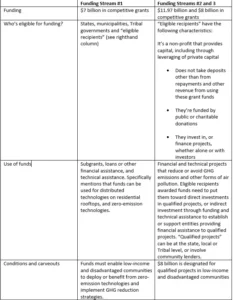
EPA’s New Greenhouse Gas Reduction Fund: What You Need to Know
By Phil Molé, MPH If you’ve been reading the news lately, you’ve probably heard about the passage of the Inflation Reduction Act, intended to address the rising costs of living for Americans. But you may not have heard that the Inflation Reduction Act allocates a significant amount of funds to the EPA to establish a […]
Why Manufacturers Should Implement a Control of Work (CoW) System
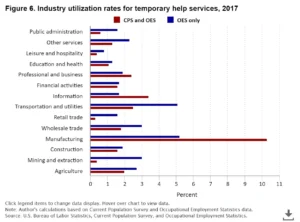
Historically speaking, workers in the manufacturing industries are at higher risk for work-related injuries and illnesses than workers in other industries. In 2020, the manufacturing industry ranked fourth highest in non-fatal recordable injury and illness rates, with 3.1 cases per 100 full-time employees (FTE) compared to the average rate of 2.7 cases per 100 FTE […]