









Getting Started
203 results
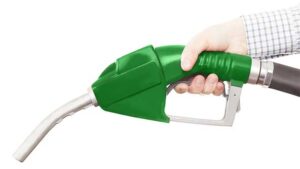
Methanol MSDS Safety Tips from Experts
Methanol is a natural by-product of wood alcohol, natural gas and coal. It has also recently garnered attention for being used in biofuel. But don’t let the “green” of this chemical fool you. Methanol is very dangerous and can cause death when mishandled. Therefore, it is crucial to understand how to handle methanol in a […]

The Transition from SOC 1 to SOC 2 and Why it Matters to You
A certification provides official confirmation of specific characteristic(s) a person or company has achieved through an external assessment. Businesses conduct SOC 2 certification to ensure that the inner workings of an organization meet audit and compliance standards. As a follow up to our blog post on The Information Security Certification Challenge, VelocityEHS conducted our first annual SOC […]
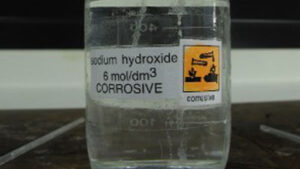
Sodium Hydroxide (Lye) Safety
Used many years ago in soaps, sodium hydroxide – also known as lye – is still a widely used chemical today. Its uses range from food processing to petroleum refining, but it can be a very dangerous chemical. Here we’ll examine its usual uses, and the specific properties that make sodium hydroxide a threat to […]

Ethanol: Versatile, Common and Potentially Dangerous
We have all heard of ethanol, somehow, somewhere. But what is it, exactly? How is it used? And most importantly – how can ethanol be dangerous in the workplace and beyond? (Photo: Corn and Cornier by Seth Anderson) In this information post from the experts at VelocityEHS, we’ll take a look at what ethanol is, […]
Bleach (Sodium Hypochlorite) Safety Tips: Bleach Safety Instruction
Sodium Hypochlorite (Bleach) Safety Information It whitens your whites, cleans your floors and acts as a great sanitizer. But bleach, (also known as its chemical name, sodium hypochlorite) can be quite hazardous when not handled properly. What Is Bleach AKA Sodium Hypochlorite? Sodium hypochlorite is a green/yellow liquid that smells like chlorine. It is a […]

Working Safely with Crystalline Silica
Safety & Care When Working with Crystalline Silica Crystalline Silica is a mineral found in the Earth’s crust and comes in several forms, most commonly in quartz; the other two forms are cristobalite and tridymite. It is so widely used in various industries that people come into contact with it literally every day. Used in […]

Latex Painting Safety Tips: Commercial & Residential
Latex Painting Safety Tips As we continue our too-fast cruise through fall, house painting is the focus for many homeowners, particularly for those looking to place their home for sale during the robust upcoming winter market. Whether you are painting your home yourself or are a house painting contractor, we at VelocityEHS would like to […]

What Do Executives Need from EHS & Sustainability Managers
I had the privilege this week to join our VP of Customer Experience, Laura Murphy and our Director of Operations, Chris Robinson in a half-day meeting with the senior EHS & sustainability leadership team for one of our clients. Doing this is one of the parts of my job that I love the most. We were […]
The Challenges of User Adoption in Implementing EHS Software
“Thus times do shift, each thing his turn does hold new things succeed, as former things grow old” -Robert Herrick The Challenges of User Adoption in Enterprise Software Getting people to try new things is tough. Getting people to stick with new things over the longer term is even tougher. And trying to accomplish this […]

Acetone: The Hidden Hazard
What Is Acetone? Acetone, also known as propanone, is a clear, colorless liquid that is highly flammable. It is not necessarily a household word, but this will ring a bell: nail polish remover. Acetone is also used as a degreaser, for thinning fiber glass resin, and helps remove adhesives and vinyl resins. While it is […]