











Getting Started
206 results

A Majority of States Now Have OSHA State Plans
OSHA has approved the launch of a State Plan in the state of Maine, which will be responsible for enforcing safety and health requirements for government employees. This plan becomes effective immediately. “This is a major milestone for Maine public employees and the state’s development of its occupational safety and health program,” said OSHA head […]

OSHA Issues New Updated Guide to Training Requirements for 2015
OSHA has issued a new guide for employers on its training requirements and standards. The guide — Training Requirements in OSHA Standards — includes information designed to help businesses avoid citations and keep workers safe. The new guide organizes requirements into five categories: general industry, maritime, construction, agriculture, and federal employee programs. It also features […]
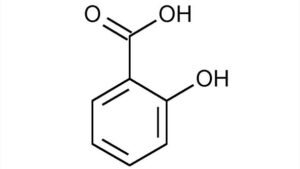
Salicylic Acid Safety Tips & Hazards
What is Salicylic Acid? Salicylic acid is a colorless crystalline acid derived from organic sources. This chemical has a variety of applications and can present several health hazards if used without adequate precautions. Here are some important safety tips to keep in mind when handling and storing salicylic acid. Common Uses of Salicylic Acid Salicylic […]
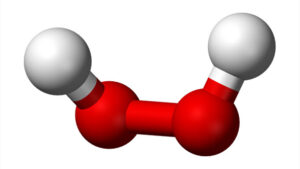
Hydrogen Peroxide Health & Safety Tips
What is Hydrogen Peroxide? Hydrogen peroxide was first discovered in the early 19th century, but the pure chemical was not produced until 1894. Today, this chemical is produced in quantities of more than 2 million tons worldwide each year. Hydrogen peroxide is a chemical compound usually produced as a diluted solution. This colorless, slightly viscous […]

Phosphoric Acid Safety Tips
What is Phosphoric Acid? Phosphoric acid is a colorless, odorless mineral acid. With an acidic taste and somewhat viscous consistency, phosphoric acid is used in a wide variety of products and industries. Despite its popularity, this chemical can pose some potentially significant health hazards and should be handled with caution. Common Uses of Phosphoric Acid […]
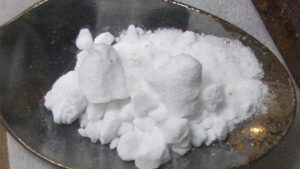
Sodium Carbonate Hazards & Safety Tips
What is Sodium Carbonate? Sodium carbonate is a white crystalline or powdered chemical that is odorless with an alkaline taste. This material comes from the ashes of plants that grow in sodium-rich soil. Also known as soda ash, sodium carbonate is sometimes produced synthetically from salt and limestone. Sodium carbonate can cause mild-to-severe health hazards and should […]
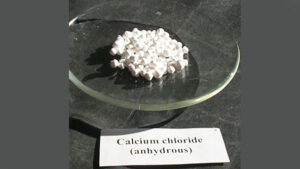
Calcium Chloride Hazards & Safety Tips
What is Calcium Chloride? Calcium chloride is an odorless, white, crystalline solid compound that is highly soluble in water. A type of salt, this calcium chloride is hygroscopic, which means it can attract and absorb water molecules from its surroundings. In fact, calcium chloride can attract several times its own weight in water, dissolving into a […]
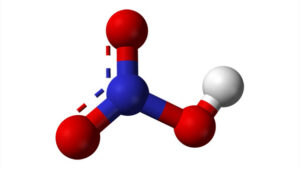
Nitric Acid Safety Tips & Health Hazards
What is Nitric Acid? Commonly used in fertilizers (and in rare occasions even explosives) Nitric acid is a colorless or yellow liquid with a characteristically acrid, caustic odor and corrosive properties. This mineral acid has a variety of applications and presents several health hazards if used without the necessary safety precautions. Here are some important […]
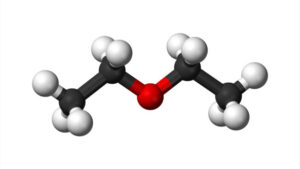
Understanding the Safety Risks of Diethyl Ether
What is Diethyl Ether? Previously used as an anesthetic, Diethyl ether is an organic compound used primarily as a solvent. This colorless, highly volatile chemical has a pungent, yet somewhat sweet odor. Due to its extreme flammability and other potential hazards, diethyl ether should be stored and handled with extreme care in the workplace. Read […]

Ethyl Acetate: A Sweet-Smelling Safety Hazard
What is Ethyl Acetate and Where is it Found? Ethyl acetate is a relatively common chemical used in a variety of industrial and household products. This compound liquid is colorless, with a characteristically sweet, pleasant odor. Due to its potential hazards, ethyl acetate should be stored and handled appropriately to avoid hazards to your health. […]