






Getting Started
203 results
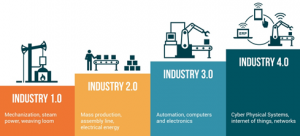
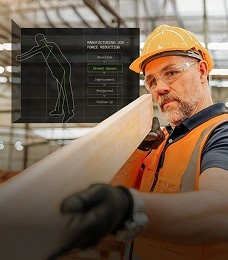
Is Your Ergonomics Approach Smart? Part One
Ergonomics is about improving the lives of the working population, reducing incident costs, staying compliant and, as a result, improving productivity and quality. The push for smart technology and real-time data, from companies in every industry, continues at a fast pace. Business leaders predict future outcomes and make decisions based on what is happening right […]
The Key Components of Effective Emergency Planning
By Phil Molé Large scale emergencies, such as the flooding that devastated Texas’ Gulf Coast during Hurricane Harvey in 2017, are often worsened due to failures in emergency planning that place first responders, workers and the general public at risk for exposure to hazardous chemicals. Incomplete knowledge of the identities and hazards of chemicals on-site, […]

What You Need to Know About ISO 45001
Each day, thousands of workers around the world die each day from occupational injuries. ISO 45001 is the first international occupational health and safety (OHS) standard that works to prevent these deaths with clear guidelines to help organizations improve conditions in the workplace. Here, Zoë Frances, Product Marketing Director at VelocityEHS, takes a closer look at […]

Management of Change (MOC): Strategies for Compliance
For operations involving hazardous processes, change management can be a matter of life and death. Operational failures resulting from insufficiently planned changes can cause catastrophic events such as explosions or chemical releases that endanger human lives, and the environment. That is why OSHA developed the Process Safety Management (PSM) of Highly Hazardous Chemicals Standard, which […]

Chemical Spotlight: Benzene Hazards & Safety Tips in the Wake of Hurricanes Harvey, Irma , Maria and Other Heavy Storms
Record flooding in Texas, Florida and Puerto Rico, following Hurricanes Harvey, Irma and Maria, has caused a slew of secondary health and safety hazards. Among these issues is the high risk of exposure to hazardous chemicals in contaminated flood waters, including lead, arsenic, benzene, sulfur dioxide and nitrogen oxide. With damage to chemical manufacturing facilities, […]

It’s Time for a Fresh Look at Multi-Tenancy EHS Software
By Phil N. Molé, MPH Software as a Service (SaaS) applications, also known as cloud solutions, have been evolving to meet today’s EHS challenges. Still, many EHS professionals have outdated perceptions about cloud solutions, and may not realize the direct ways modern software can streamline compliance and improve EHS management. It’s a good time to […]

Wearable Chemical Monitor Could Make Big Impact on Workplace Chemical Safety
New wearable technology has the potential to turn chemical exposure testing on its head. We’re living in an age when wearable technologies (wearables) regularly demonstrate the potential to massively disrupt traditional models and systems. Devices like Fitbit — bracelets which automatically track and analyze wearer movement data — offer users unprecedented access to fitness measurement […]

Tier II Hazardous Chemical Inventory Reports: What You Need To Know About the Annual Deadline
As the deadline to file Tier II Hazardous Chemical Inventory Reports quickly approaches, VelocityEHS is reminding safety professionals to submit their 2016 inventory forms by March 1, 2017. Facilities with hazardous materials present at or above the threshold amounts established by the Environmental Protection Agency (EPA) are subject to the annual reporting obligations. What is […]
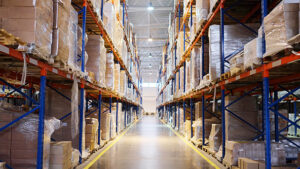
Four Common Warehouse Accidents and Steps to Prevent Them
In the material handling industry, even when most of the major hazards are identified and addressed, a small or careless mistake can still result in serious injury. Below are four common warehouse hazards should not be overlooked. 1. Pallet Rack Collapses Incidents involving pallet rack collapses often stem from materials not being properly stowed in […]

Office Dangers: Just Because You Sit in a Chair All Day, Doesn’t Mean You’re Safe
Workplace safety is often focused on workers doing rigorous tasks in industries with the perceived highest occupational risk, such as construction, mining, oil and gas, and manufacturing. However, one of the leading causes of workplace injuries, and one of the most costly to employers, affects those workers whose time is spent in offices and laboratories […]