









EHS Professionals
191 results

VelocityEHS Connecting EHS Community with Virtual Event “The Short Conference”
These are challenging times. Luckily, EHS professionals are used to changing directions in the moment, and have the agility to balance risk and productivity while responding to new challenges. Here at VelocityEHS, we celebrate the safety commitment of EHS professionals like you, and we want to remind you, now more than ever, that we’re in […]

OSHA at 50: Reflections on a Half-Century of Safety
This year, the U.S. Occupational Safety and Health Administration (OSHA) is commemorating 50 years since the enactment of the Occupational Safety and Health (OSH) Act, which was signed into law on December 29, 1970. In honor of this major milestone, OSHA is announcing its re-commitment to the Agency’s fundamental mission of ensuring safe and healthful […]

JSAs and Risk Management: Tips During the COVID-19 Pandemic
The global COVID-19 pandemic is creating serious challenges for employers, not simply because of the health risks of the disease itself to workers, but also because of the social distancing and workplace changes implemented to help slow the spread of the virus. Anxiety and urgency of response related to the COVID-19 threat is understandable, but […]
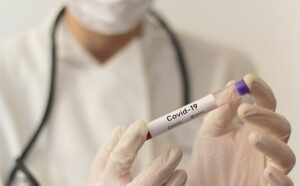
VelocityEHS Offering COVID-19 Disaster Relief Resources Including Emergency Hazardous Chemical MSDS/SDS Access During the Pandemic
In response to the uncertainty and need for information about COVID-19, VelocityEHS has launched its Disaster Relief web page, providing an abundance of timely resources to help EHS professionals and others during this outbreak, including limited time, complementary access to the safety data sheets (SDSs) associated with the EPA’s approved list of disinfectants for use against SARS-CoV-2, the cause of COVID-19. Individuals can now visit […]

Preparing for OSHA’s Recordkeeping Deadline: Common Questions and Mistakes
OSHA’s Recordkeeping deadline is quickly approaching. By February 1, employers in the U.S. covered by the rule are required to prepare, certify and post a signed hard copy of their Summary of Work-Related Injuries and Illnesses (Form 300A) in a location accessible to employees to view. While OSHA has made no changes to the Rule […]

VelocityEHS Showcases IH Software in Live Demo Webinar
VelocityEHS is excited to announce our November 7, 2019 webinar featuring a live demonstration of our industrial hygiene (IH) software. If you want to see how easy IH program management can be, this is a webinar you won’t want to miss! Software Designed for the Changing World of IH Management The need to anticipate and […]

OSHA’s Top 10 Most Cited Violations of 2019
OSHA just announced its preliminary list of Top 10 Most Cited Violations in 2019 at the National Safety Council Congress and Expo. Among the top risks worker health and safety, Hazard Communication once again lands near the top of the agency’s list, as questions and confusion resulting from its adoption of GHS and the changes […]
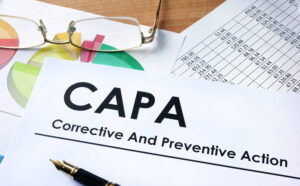
Are You Managing Your EHS Actions, or are They Managing You?
The job of an EHS professional is never over. There’s always work that needs doing, including an ever-growing list of tasks we need to complete to address risks and maintain effective workplace safety programs. Making life more difficult, the work has a way of multiplying. Sometimes, it seems that for every item we cross off […]

Incident Management 101: Getting Back to the Basics of Occupational Injury & Illness Prevention
As a frequent health and safety conference-goer, I often have the privilege of getting a first-hand look at the latest and greatest workplace safety equipment and technologies on the market. With innovations like EHS management software, wearable sensors, drones, virtual reality and more, the industrial health and safety market has truly entered the 21st Century. […]

Preventing Workplace Violence in the Health Care Industry
The U.S. health care industry employs more than 20 million individuals and I’m willing to bet that each and every one of us has a friend or family member who’s worked as a nurse, a doctor, a home health care worker, paramedic or other health care professional. For so many of us, the threat of […]