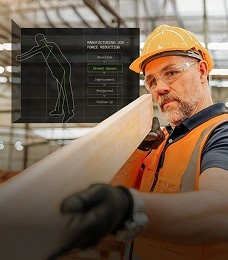
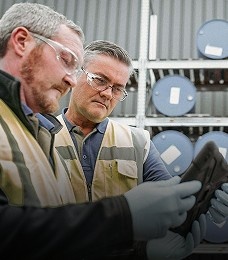
Ergonomics assessments are the first step in the job improvement portion of your ergonomics process. In order to make workplaces safer and help control the risk of workers developing musculoskeletal disorders (MSDs), you need to find where those risks exist and how much workers are exposed to them. If you’re just starting out with an ergonomics process, you should perform ergonomics assessments on jobs that are likely to pose the highest risk to workers (such as those tasks involving high force, awkward postures, long duration or high frequency of movements), but ideally your organization would eventually perform ergonomics assessments for all job tasks.
Ergonomics assessments should also be performed when a new task is introduced as part of an operator’s job, or when some change has been made to either the workstation where a task is being performed or the procedure to perform a specific task. You want to ensure that new risks of musculoskeletal disorders, or soft tissue injuries, have not been introduced for a worker performing those tasks at their workstation.
In addition, you will want to perform follow-up ergonomics assessments after improvements have been made to a workstation or task, to ensure the job improvement has successfully reduced the risk level for workers.