Resource Center
resources to level up your ehs program.
Explore guides, checklists, infographics, white papers, webinars, and more to take your EHS programs to the next level.
Stay Ahead of HazCom 2024
Learn More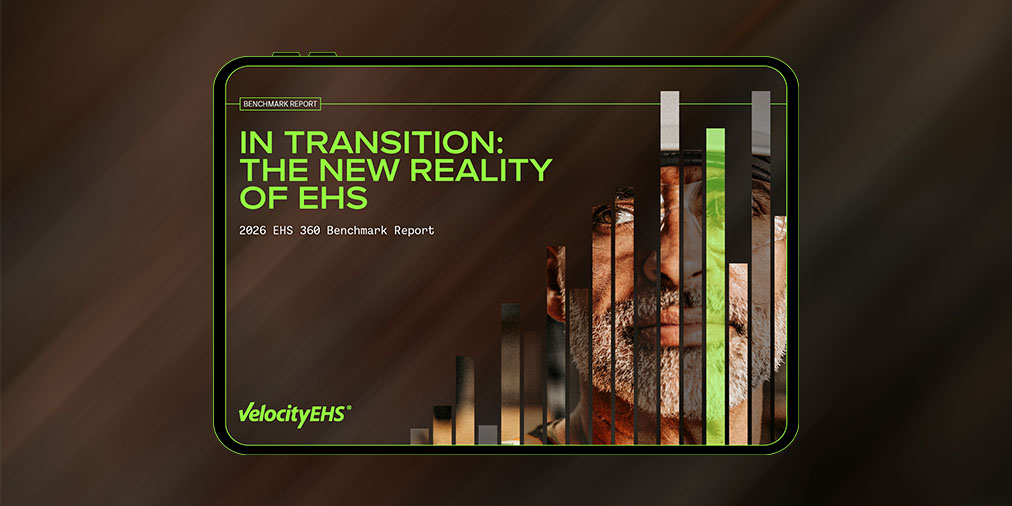
The 2026 EHS 360 Benchmark Report provides the largest data-driven …

Discover how human-centered AI helps EHS teams simplify compliance,…

Learn how to scale your ergonomics program with a structured approa…

Discover how human-centered AI helps EHS teams simplify compliance,…

Explore how EHS professionals are using AI today, where adoption ga…

Stay ahead of 2026 EHS enforcement priorities with a practical chec…

OSHA’s new final rule extends compliance deadlines under the update…

OSHA’s list of the Top 10 most frequently cited standards barely ch…
Listen to executive leaders and EHS professionals discuss safety, AI, operational strategy, and what it takes to build organizations that don’t just survive complexity. But thrive because of it.






Looks like we couldn’t find any resources that match your search. How about trying different keywords or checking out some trending topics?






Looks like we couldn’t find any resources that match your search. How about trying different keywords or checking out some trending topics?

Looks like we couldn’t find any resources that match your search. How about trying different keywords or checking out some trending topics?


Looks like we couldn’t find any resources that match your search. How about trying different keywords or checking out some trending topics?





Looks like we couldn’t find any resources that match your search. How about trying different keywords or checking out some trending topics?
New in-person events are coming soon. Be sure to check back for updates. In the meantime, check out our virtual events or connect with us on LinkedIn.
Access guides, expert advice, videos, and event information to confidently build your knowledge and skills, while better protecting your workforce.
Increase your understanding of EHS best practices through a complete library of on-demand videos.
View industry-published articles, covering the latest trends, best practices, and innovations shaping workplace safety, compliance, and sustainability.
Whether you’re new to EHS, or just looking to brush up on key topics, take a look at these free resources to support you along your journey.
View a comprehensive resource center to help you gain a better understanding of Environmental, Social and Governance (ESG).
Unlock safety and compliance content with a powerful SDS Search tool. Use advanced search functionality for immediate access to critical information.
View a comprehensive index, providing easy access to a vast collection of safety data sheets.
Make sense of safety using a comprehensive Glossary of Terms. Tap into key definitions related to SDS and hazard communication.
Discover insights on the latest advancements in Globally Harmonized System of Classification and Labelling of Chemicals (GHS).
Request a live demo today and see how VelocityEHS can drive impact and protect your people, faster.