










VelocityAI
871 results
Ergo Myths: The Bent-Handle Shovel is Best
By Kevin Perdeaux, CPE The ‘ergonomic’ bent-handle shovel is not new to the market, and is a far more popular choice than the traditional straight-handle shovel. However, despite its popularity, why doesn’t the ergonomic shovel render the traditional straight-handle shovel obsolete? The two shovels are designed to provide mechanical advantages in different situations. The bent-handle […]
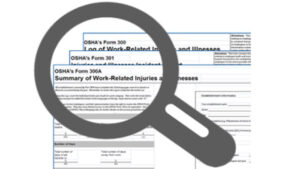
OSHA Form 300A Posting Date Approaching: February 1, 2012
February 1 is right around the corner which means it’s almost time for many companies to post OSHA Form 300A. Form 300A is a summary log of all work-related injuries for 2011. From February 1 through April 30, non-exempt companies are required by the OSHA Recordkeeping Standard to post a log. Forms 300, 300A, 301 […]

Ergonomics of Airplanes: What Makes Us Comfortable?
By Mike Hoonhorst, AEP Due to the nature of our jobs as consultants, we often find ourselves on an airplane, traveling across the country, and even across the world. And with the holiday season in full swing, you too may find yourself flying soon. Almost all of us have probably said, “I cannot wait to […]
Calculating The Cost of Workplace Stretching Programs
by Blake McGowan, CPE In this month’s e-newsletter, I explained how many health and safety professionals underestimate the cost of site-wide workplace stretching programs. Here’s a way to calculate the cost of your organization’s stretching program. Step 1: Calculate the recommended workplace stretching activity time (in minutes) per week (Equation 1), based on the following […]

Material Safety Data Sheet (MSDS) Fail Leads to OSHA Fines and Other September News
OSHA is proposing penalties of up $49,200 for two manufactures and two distributors in Florida for failure to protect employees from exposure to formaldehyde and failure to communicate hazards of products to downstream users. According to the news release issued on September 8, 2011, OSHA inspected the Florida firms based on a referral from Oregon’s […]
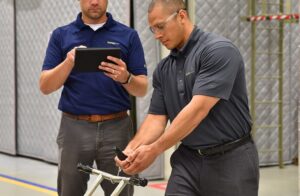
Product Review: All Source Glider
Description: All Source Security Container USA has developed a 2-wheel glider that can be easily attached or detached from shred carts or bins to improve maneuverability. This is a cost-effective retrofit solution in lieu of replacing existing bins with 4-wheel options. Ergonomic Benefits and Features: Two additional wheels reduce push/pull forces when transporting single or […]
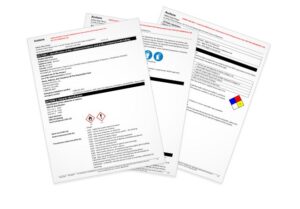
MSDS – Safety Training Thursday
An MSDS or material safety data sheet is the backbone of a compliant hazardous chemical management system. Unfortunately, MSDSs rarely get the respect they deserve, at least not until the day it is urgently needed in an emergency or is requested by an OSHA inspector. By that time it is often lost in a sea […]

The Ergonomic Gardener
Just because summer is at a close, don’t put away your shovel and rake quite yet. Harvest has just begun and there is still a lot of work to do outside. We’ve got the tips to make your gardening projects and yard work hurt a whole lot less. Ergonomic Gardening Tips To avoid lifting, rake leaves onto a canvas tarp. […]

Selecting a Computer Mouse: Traditional or Vertical Design?
There are thousands of office input devices to choose from, but two very common options people find themselves contemplating are a traditional, flat-design mouse and the joystick-like vertical mouse. Here are a few considerations when doing your shopping. Traditional The traditional mouse positions your hand, wrist, and forearm in a posture similar to that used […]

Ergonomics Return-On-Investment Calculators
By Blake McGowan, CPE Demonstrating the value of your ergonomics initiative and calculating the return on investment (ROI) for specific engineering improvements have become common requests for many safety professionals. Unfortunately, many of us struggle to even begin to justify improvements, let alone choose a meaningful calculator to demonstrate the benefits of improving workplace conditions. […]