









VelocityAI
872 results

Four Tips for the Perfect Laptop Setup
Laptops are rapidly replacing traditional computing stations in the workplace due to an increase in the number of remote workers and a heavier emphasis on mobility. However, with a more portable and compact computer comes a new set of ergonomics challenges; follow these four tips to help you address them Laptop users tend to position […]

21st Century Safety Training Challenges & Solutions
When workers aren’t properly trained on workplace hazards and appropriate safety protocols, your business is at risk. Yet, deploying, tracking and managing workplace training is an uphill battle. Our article in the January issue of ISHN discusses common workplace training challenges and ways in which technology is helping to ease these burdens. Below, we review how today’s […]

HazCom: 2017 Year in Review
As 2017 draws to a close, it’s a perfect time to recap OSHA and Health Canada’s regulatory activities regarding GHS, HazCom 2012 and WHMIS 2015 that have occurred this year. Let’s take a look back at what has happened, and paint a picture for the future of hazard communication. OSHA’s Top 10 List – OSHA […]

Management of Change: It’s About More Than Just Compliance…It’s About Best Practice
For many safety professionals, Management of Change (MOC) tends to conjure up thoughts of OSHA’s Process Safety Management (PSM) Standard, EPA’s Risk Management Plan (RMP) Rule, or other complex regulations intended to help prevent major accidents or environmental releases involving hazardous chemicals. While certainly required by numerous safety and environmental regulations, the value of MOC […]

Management of Change (MOC): Strategies for Compliance
For operations involving hazardous processes, change management can be a matter of life and death. Operational failures resulting from insufficiently planned changes can cause catastrophic events such as explosions or chemical releases that endanger human lives, and the environment. That is why OSHA developed the Process Safety Management (PSM) of Highly Hazardous Chemicals Standard, which […]

Health Canada Establishes New Policy for Submission of CBI Claims
On November 17, Health Canada published its Policy on Managing Incomplete Claims for Exemption Filed under the Hazardous Materials Information Review Act (HMIRA). The new policy is intended to prevent confidential business information (CBI) claims from being held up in the review process due to missing or incomplete claim information. Upon formal notice of incomplete […]

Make the Most of Your EHS Budget Before the End of the Year
As the year winds down, now is a good time to review your current EHS programs and identify gaps that software can help fix. If you have remaining funds in your 2017 budget, there’s still time to “use it before you lose it,” and risk lower future budgets. You might also be able to tap […]
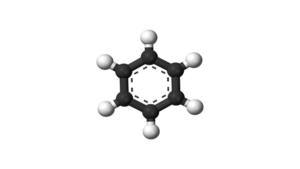
Chemical Spotlight: Benzene Hazards & Safety Tips in the Wake of Hurricanes Harvey, Irma , Maria and Other Heavy Storms
Record flooding in Texas, Florida and Puerto Rico, following Hurricanes Harvey, Irma and Maria, has caused a slew of secondary health and safety hazards. Among these issues is the high risk of exposure to hazardous chemicals in contaminated flood waters, including lead, arsenic, benzene, sulfur dioxide and nitrogen oxide. With damage to chemical manufacturing facilities, […]

It’s Time for a Fresh Look at Multi-Tenancy EHS Software
By Phil N. Molé, MPH Software as a Service (SaaS) applications, also known as cloud solutions, have been evolving to meet today’s EHS challenges. Still, many EHS professionals have outdated perceptions about cloud solutions, and may not realize the direct ways modern software can streamline compliance and improve EHS management. It’s a good time to […]

Should Ergonomics Teams be Cross-Functional?
“Do you recommend that my ergonomics teams be cross-functional? Or does that dilute the team’s focus?” We get this question often. There are several considerations here. Before creating a team, you first want to think about its purpose, which is to conduct risk assessments, identify solutions, and lead improvement efforts. The team should also be […]