









Safety
744 results
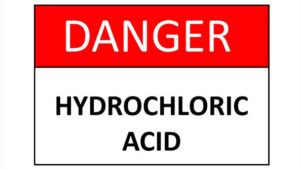
Hydrochloric Acid Hazards & Safety Tips
What Exactly is Hydrochloric Acid & Where is it Found? Hydrochloric acid hazards are serious. However, you may be surprised to learn that hydrochloric acid is commonly used in many types of industrial processes. Approximately 20 million tons of hydrochloric acid are produced globally each year, and you can even find it in your own […]

5 Stories on Why Managing Hazardous Chemicals in the Workplace is so Important
Here are 5 stories, with 5 lessons, that illustrate why chemicals in the workplace, no matter the size of the company or the number of employees, are serious business. As demonstrated below, how chemicals are used, stored, labeled, and disposed of, and how employees are trained on chemical hazards, affects workers, customers, and in some […]

Adoption vs. Engagement – It’s Not Me, It’s You!
Many clients have asked me for advice on how to improve user adoption – I propose however that it’s not user adoption they need, it’s engagement! There are multiple schools of thought on the difference between adoption and engagement, but for the purpose of this blog post, here’s my stance: Adoption – users have accepted […]
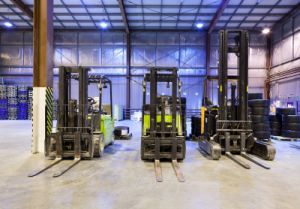
Advancements in Lift Truck Technology
Guest Post by Tom Reddon Today’s forklifts are a mere throwback to the days of old when forklifts from your grandpa’s time featured the bare essentials. The future of forklifts is here, and it means increased productivity on a whole new scale for businesses and warehouses. The Past The forklift came about due to the […]

Methanol MSDS Safety Tips from Experts
Methanol is a natural by-product of wood alcohol, natural gas and coal. It has also recently garnered attention for being used in biofuel. But don’t let the “green” of this chemical fool you. Methanol is very dangerous and can cause death when mishandled. Therefore, it is crucial to understand how to handle methanol in a […]
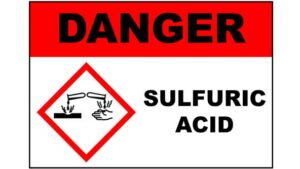
Sulfuric Acid Safety Tips – Sulfuric Acid MSDS Information
Where and How Sulfuric Acid Can Be Found Sulfuric acid is one of the most hazardous and common chemicals you may encounter. It’s actually an international commodity chemical produced in large quantities all around the world. While sulfuric acid has primarily industrial uses, it’s also found in common household products such as drain cleaner and […]

Ergo Myth: Design for the Average Person
by Michael Hoonhorst, CPE Many safety and facility engineers think that when designing workstations, we should design for the “average” person. First of all, the “average” person does not exist. There are many different dimensions of humans. For instance, someone might be average height, but have a reach distance that is less than average. So […]
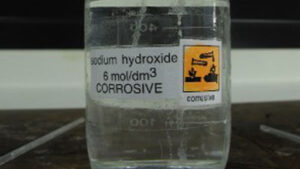
Sodium Hydroxide (Lye) Safety
Used many years ago in soaps, sodium hydroxide – also known as lye – is still a widely used chemical today. Its uses range from food processing to petroleum refining, but it can be a very dangerous chemical. Here we’ll examine its usual uses, and the specific properties that make sodium hydroxide a threat to […]

Ethanol: Versatile, Common and Potentially Dangerous
We have all heard of ethanol, somehow, somewhere. But what is it, exactly? How is it used? And most importantly – how can ethanol be dangerous in the workplace and beyond? (Photo: Corn and Cornier by Seth Anderson) In this information post from the experts at VelocityEHS, we’ll take a look at what ethanol is, […]

6 Ways to Manage Ergonomics with Technology
Humantech (now VelocityEHS Ergonomics) ergonomist, Jennie Gober, spoke at the 2014 Michigan Safety Conference this week on how to effectively manage ergonomics using technology. In this video, Jennie shares six ways to move your ergonomics process from reactive to proactive by working smarter, not harder. In summary, here are the six ways: 1. Force measurement […]