










Safety
744 results
Engaging Your Engineers in Ergonomics: A Tough Nut to Crack
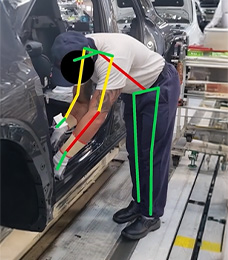
Ergonomics is an engineering discipline. The National Institute for Occupational Safety and Health (NIOSH) defines it as “…fitting workplace conditions and job demands to the capabilities of the working population.” Safety professionals apply ergonomics to, among other things, reduce exposure to the risk factors known to cause musculoskeletal disorders (MSDs). Research has proven that sound […]

Quad-O: EPA’s Methane Emissions Standards for the Oil and Gas Industry
In 2012, the EPA published 40 CFR Part 60 Subpart OOOO, more commonly known as Quad-O, which set forth substantial new methane emissions monitoring and reduction requirements, as well as provisions mandating that owners and operators in the oil and gas industry implement comprehensive leak detection and repair (LDAR) programs throughout their facilities. In June of […]

Leading Measures for Ergonomics
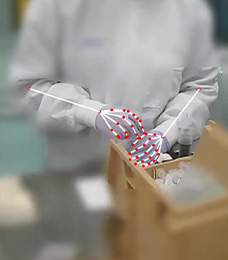
“If you can’t measure it, you can’t manage it.” These are the wise words of Peter Drucker. And they are true for many aspects of life; your personal finances, your career path, operation of a business, and yes even ergonomic improvements. The challenge is using the right measures to drive and manage your ergonomics improvement […]
New PHMSA Final Rule Strengthens Safety Requirements for Pipelines
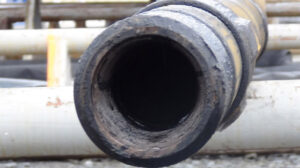
On January 13, 2017, the Pipeline and Hazardous Materials Safety Administration (PHMSA) issued a new final rule amending regulations for hazardous liquid pipelines. The rule becomes effective on July 13, 2017 and creates new compliance obligations for system owners and operators that are intended to maintain pipe integrity and prevent pipeline accidents. Let’s review some […]

Tier II Hazardous Chemical Inventory Reports: What You Need To Know About the Annual Deadline
As the deadline to file Tier II Hazardous Chemical Inventory Reports quickly approaches, VelocityEHS is reminding safety professionals to submit their 2016 inventory forms by March 1, 2017. Facilities with hazardous materials present at or above the threshold amounts established by the Environmental Protection Agency (EPA) are subject to the annual reporting obligations. What is […]

Is Stretching Effective in Preventing MSDs?
Some organizations rely on stretching, exercise, and conditioning programs (alone or in combination with other interventions) to prevent musculoskeletal disorders (MSDs). This relies on changing the physical condition and capabilities of each individual employee and is heavily dependent on many variables that are outside an employer’s control, including employee willingness, interest, and participation; an individual’s […]

The Overlooked Ergonomics of a Car
What do you look for in a car? Many people look at the size of the engine, some believe luxury is all that matters, and others value the safety features. Auto manufacturers are continuously trying to capture our attention with new features and functions. But what does this do to the ergonomic aspects of a […]

OSHA Form 300A Posting Deadline is February 1 — Are You Ready?
As we approach the February 1 due date for posting OSHA Form 300A as part of OSHA’s Recordkeeping Rule, it’s important to remember the exemptions and requirements that apply. Under the Recordkeeping Rule, covered employers are required to maintain an OSHA 300 Log of serious injuries and illnesses, and also to post a 300A in […]

OSHA Amputation Data and Anti-Retaliation Guidelines Highlight Need for Proactive Management
OSHA Amputation Data and Anti-Retaliation Guidelines Highlight Need for Proactive Management OSHA has just released some startling new data regarding workplace amputation injuries. The agency has also recently published a new set of guidelines for workplace anti-retaliation programs, to help employers comply with its new electronic recordkeeping rule which went into effect on January 1. […]

Understanding BLM’s Waste Prevention, Production Subject to Royalties, and Resource Conservation Rule
Last month, the United States Bureau of Land Management (BLM) published the final version of its Waste Prevention, Production Subject to Royalties, and Resource Conservation Rule. The Final Rule will require owners and operators of both new and existing federal oil and gas leases to implement comprehensive methane leak detection and repair (LDAR) programs throughout […]