







Safety
733 results

Chemicals in the Workplace: COVID-19 Cleanup Considerations
The ongoing global pandemic involving the novel coronavirus SARS CoV-2 that causes COVID-19 is creating an urgent need for disinfectant usage. Frequent cleaning of potentially contaminated surfaces is essential to limit the further spread of the virus. EPA has provided some direction by publishing a list of disinfectants recognized to be effective against SARS CoV-2 […]
A How-To Guide: The NIOSH Lifting Equation
The National Institute of Occupational Safety and Health (NIOSH) has developed many useful tools and documents to aid industries in developing an ergonomics program. A commonly-used tool that NIOSH developed is the NIOSH Lifting Equation. The NIOSH Lifting Equation is used to determine the risk of a low back injury while performing lifting tasks. What […]

HazCom & WHMIS Updates: U.S. and Canada Publish RCC Work Plans for 2019-2020
On March 10, 2020 the U.S.–Canadian Regulatory Cooperation Council (RCC) published its 2019-2020 work plans. These work plans introduce the specific initiatives that the RCC will pursue over the coming year to promote further alignment between U.S. and Canadian health, safety and environmental regulations. The 2019-2020 RCC work plans will specifically focus on continued alignment […]
OSHA NEP Targets Employers for Respirable Crystalline Silica Standard Compliance
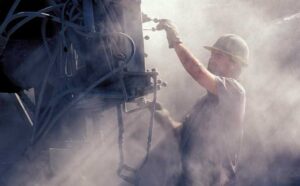
On February 4, 2020 OSHA announced it will be launching a national emphasis program (NEP) aimed at reducing occupational exposures to respirable crystalline silica (RCS), and promoting compliance with its Respirable Crystalline Silica Standards for general industry, maritime and construction industries. Background A 2015 report from the U.S. Centers for Disease Control & Prevention (CDC) […]

OSHA Recordkeeping: Causes and Consequences of Underreporting Workplace Injuries & Illnesses
OSHA workplace injury and illness reporting season is already upon us, and there’s no better time for employers to take a step back and review their injury and illness recordkeeping practices — not only to make sure you’re in compliance, but to evaluate whether you’re capturing the most accurate possible injury and illness data in […]

CSB Proposes New Accidental Chemical Release Reporting Requirements
The Chemical Safety and Investigation Board (CSB) recently issued a notice of proposed rulemaking (NPRM) that would create new accidental chemical release reporting requirements, in addition to those already in place under other regulations. In comparison to existing regulatory requirements, the CSB proposed rule would broaden reporting requirements by requiring reporting under a range of […]
The Bent-Handle Snow Shovel is an Ergonomic Aid: Fact or Fiction?
Since we wrote our last blog post about snow shovels, new research has been conducted about the effectiveness of bent-handle shovels. Here are the latest findings to help you make an informed decision if you’re in the market for a new one this winter. Every Year There Are Over 12,000 Reported Injuries from Snow Shoveling […]

OSHA and EPA Fines Increase for 2020
Penalties for noncompliance with regulations enforced by EPA, OSHA and other U.S. environmental and occupational health and safety agencies are going up! Under the requirements of the Federal Civil Penalties Inflation Adjustment Act of 2015, all U.S. federal agencies must annually revise their civil penalty amounts to account for the rate of inflation. Read on […]

Preparing for OSHA’s Recordkeeping Deadline: Common Questions and Mistakes
OSHA’s Recordkeeping deadline is quickly approaching. By February 1, employers in the U.S. covered by the rule are required to prepare, certify and post a signed hard copy of their Summary of Work-Related Injuries and Illnesses (Form 300A) in a location accessible to employees to view. While OSHA has made no changes to the Rule […]

Why You Should Use Lift Assists in the Workplace
Lifting, lowering, pushing, pulling—these common manual material handling tasks are major contributors to low back pain and overexertion injuries in the workplace. In fact, forceful exertions are considered a growing global problem and account for about 23 percent of all occupational injuries in the United States. One of the best solutions for manual material handling woes is […]