










Operational Risk
173 results

Anniversary of 9/11 is a Powerful Reminder of Importance of Emergency Planning
This week, the Unites States remembers the terrorist attacks of September 11, 2001. We’ve had 17 years now of grieving and lesson-learning, but the emotional scars will always remain. For many people who were near Ground Zero of the WTC attacks, especially first responders called to the scene and their loved ones, the pain of […]

Make the Most of Your EHS Budget Before the End of the Year
As the year winds down, now is a good time to review your current EHS programs and identify gaps that software can help fix. If you have remaining funds in your 2017 budget, there’s still time to “use it before you lose it,” and risk lower future budgets. You might also be able to tap […]

Should Ergonomics Teams be Cross-Functional?
“Do you recommend that my ergonomics teams be cross-functional? Or does that dilute the team’s focus?” We get this question often. There are several considerations here. Before creating a team, you first want to think about its purpose, which is to conduct risk assessments, identify solutions, and lead improvement efforts. The team should also be […]
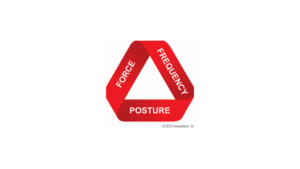
Risk Factors for MSDs: Focus on the Root Causes
Workplace assessments are one of the key steps to improving ergonomics, especially when the goal is to prevent musculoskeletal disorders (MSDs). However, it is our experience that many organizations assess for conditions which are not linked to causing MSDs. For an effective assessment of exposure to MSD risk factors, the bottom line is a need to […]

Collaborative and Autonomous Robots
At Automation Alley’s TECHTakeover I explored the future of manufacturing at the presentation on collaborative and autonomous robotics. The technology presented was astounding, and opened my “ergo eyes” to a whole new dimension for the field of ergonomics. In ergonomics, there are four main risk factors for musculoskeletal disorders (MSDs); posture, force, frequency and duration. […]
Introducing Ergonomics to Operations
Operations and Safety don’t always speak the same language, not because Operations isn’t committed to keeping people safe at work or Safety isn’t concerned with meeting operational goals, but rather because each area has its own methods, processes, and measures. This communication gap can increase when ergonomics is added to the mix. Ergonomics is often […]

Are Your JSAs Good Enough? Don’t Wait for a Workplace Incident to Find Out
You already know that workplace accidents can have devastating consequences. You understand that effective EHS management must involve active identification and control of hazards, which is the primary intention behind risk assessments. You may even use job safety analysis (JSAs), to perform formal risk assessments that break down jobs into their constituent tasks in order […]

New OSHA Fact Sheet Highlights Importance of Metrics to Process Safety Management
The Occupational Safety and Health Administration (OSHA) recently published a fact sheet to help employers develop effective strategies for Process Safety Management (PSM). The fact sheet identifies and discusses the ways that facilities enrolled in OSHA’s Voluntary Protection Program (VPP), and who therefore have been recognized by OSHA for safety performance above industry average, use […]

Respirable Crystalline Silica Rule — What You Need to Know: Training Requirements
What exactly does the new Occupational Exposure to Respirable Crystalline Silica final rule mean for employers in terms of training? Who must be trained? On what precisely? We’ll break it down for you here, and answer the most commonly asked questions. Under the new rule, what do employees need to be trained on? First of […]
OSHA Releases Guide to GHS Chemical Classification, Emphasizes Need for Qualified Professionals
OSHA has released a new guide intended to help businesses accurately identify and classify hazards associated with their chemicals, as required by HazCom 2012. The guide—Hazard Classification Guidance for Manufacturers, Importers, and Employers—is available for free on OSHA’s website. It provides review of the classification requirements under GHS, provides expanded definitions and distinctions, and also […]