







Ergonomics
579 results
Sustaining Your Ergonomics Process: What to Do AFTER Implementing Your Ergonomics Design Solutions
After going through all the work of assessing your workspaces for musculoskeletal disorder (MSD) risk, gathering the data and discussing possible positive changes to make, you’ve completed the initial steps of implementing an effective ergonomic process within your organization. GREAT! You and your team have selected a robust ergonomics software system that allows you […]

Our Ergonomics Assessment is Done. Now What?: Ergonomics Virtual Conference Session Recap
Presented by Josiah Allen, CPE, CSP, VelocityEHS Senior Solutions Consultant, the “Our Ergonomics Assessment is Done. Now What?” session of the 2024 Ergonomics Virtual Conference was a direct conversation on what organizations need to do after completing a musculoskeletal disorder (MSD) risk assessment on a job/task. While many people believe an ergonomics assessment is the […]
Ergonomics Virtual Conference Session Highlights: Communicating the Value of Ergonomics to Business Stakeholders
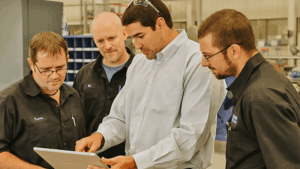
In this year’s VelocityEHS Ergonomics Virtual Conference, the second session of the day, hosted by Rick Barker, CPE, CSP, and presented by Blake McGowan, CPE, shared the key points of Communicating the Value of Ergonomics to Business Stakeholders. This presentation shared the language and metrics you should use to communicate with stakeholders, highlighting how ergonomics […]

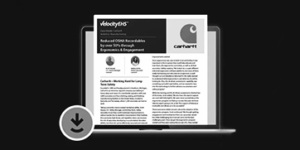
New Case Study—Carhartt: Reduced OSHA Recordables by over 50% through Ergonomics & Engagement
Carhartt successfully reduced its OSHA recordables by over 50% through implementing an ergonomics program. Recognizing the importance of proactive safety measures, Carhartt’s U.S. Safety Manager, Scott Harper, and Safety Specialist, Ashley Arvin, spearheaded efforts to reduce musculoskeletal disorders (MSDs) resulting from poor postures, high forces, and repetitive movements in their stitching, sewing, and finishing manufacturing […]

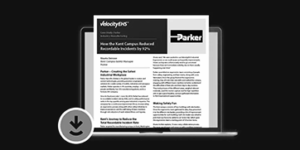
New Case Study—Parker, Kent Campus: How They Reduced Recordable Incidents by 92% Using Ergonomics
We recently published a case study sharing the story of how Parker’s Kent Campus, successfully reduced its recordable incidents by implementing an ergonomics program. The Parker corporation has a continuous improvement focus on safety, which includes an ergonomics program, in addition to other safety initiatives. Since its fiscal year (July 1–June 30) 2019, Parker has […]

What It Truly Means to be a Certified Professional Ergonomist
Becoming a true Certified Professional Ergonomist (CPE) is no small feat. It’s not like you “majored in ergonomics in college,” or “had a job doing ergonomics one summer.” It takes years of school, practice and devotion to become a CPE. But those who have that devotion enter a fulfilling career that helps organizations build cultures […]

Why You Need More Than Just RULA and REBA in Ergonomics Assessments
Since the 1990s, the field of ergonomics has experienced a remarkable evolution in assessing musculoskeletal disorder (MSD) risk using simple, paper-based assessment tools and helping organizations reduce MSDs in the workplace. For example, the Rapid Upper Limb Assessment (RULA) and Rapid Entire Body Assessment (REBA) have long been considered easy-to-use assessment tools. They’re simple and […]
Enhancing Ergonomics Through the Power of Dialogue
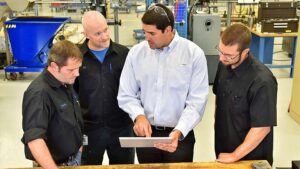
The human psyche and workplace ergonomics work in a balance, and fostering open communication is the linchpin that can elevate the entire process to new heights. With deliberate and open communication, you can have a transformative impact when engaging with operators on a personal level. In this blog post, we’ll delve into the art of […]