










Environmental Compliance
137 results

Introduction to Hazard Communication, Part Six: Overcoming Common Challenges by Putting Your HazCom Program to Work
Welcome to the sixth and final installment in our “Intro to HazCom” series! If you missed our previous posts in this series or want to refresh your memory, just follow the hyperlinks to read about the basics of HazCom (Parts One and Two), the challenges of chemical container labeling (Part Three), the requirements for a […]
Our New Guide Helps You Know Which Chemicals Require a Safety Data Sheet
Most EHS professionals know that they need to have safety data sheets (SDSs) for the chemicals in their workplace, but often wonder if they need to have SDSs for all of their chemicals. If they do not, what are the exceptions and when do they apply? At VelocityEHS, we get this question often. That’s why […]

Intro to Hazard Communication, Part Four: Writing a Good HazCom Plan
Welcome to the latest installment of our ongoing Intro to HazCom series! Some of you might be familiar with previous posts, and are waiting for the latest in the series. If so, your wait is now over. But if you’re asking “what Intro to HazCom series?” and are looking for a broad overview of HazCom […]

Preparing for the March 1 Tier II Reporting Deadline: Everything You Need to Know
Tier II Hazardous Chemical Inventory Reports for the 2018 reporting year are due to the EPA by March 1, 2019. Mandated by Section 312 of the Emergency Planning and Community Right-To-Know Act (EPCRA), ) Tier II reports capture critical information about the types, quantities and locations of hazardous chemicals at a given facility. Submitted annually to local […]
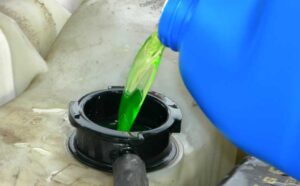
Chemical Spotlight – Ethylene Glycol
The colder months of the year offer a perfect time to re-familiarize yourself with the hazards of ethylene glycol. Its widespread use as an antifreeze and de-icing agent in almost every vehicle on the road means that potential exposures are much more common than you’d think. Read on for more information about ethylene glycol and […]

Cost of EPA Civil Penalties Going Up in 2019
The cost of noncompliance is going up! On February 6, 2019 EPA issued a final rule that introduces increases to civil monetary penalties for the range of environmental statutes and regulations enforced by the agency. Let’s take a deeper look at the increases and their potential impact on your business. Background The Federal Civil Penalties […]

New EPA Final Rule Gives Healthcare Facilities and Retailers a Break on Waste Pharmaceuticals and Nicotine Products
EPA has issued a new final rule officially titled “Management Standards for Hazardous Waste Pharmaceuticals and Amendment to the P075 Listing for Nicotine.” The rule, issued on December 11, aims to reduce the compliance burden on healthcare facilities generating waste pharmaceuticals and retailers who sell certain nicotine products, while facilitating re-use and enabling better management […]
Intro to Hazard Communication, Part Two: Six Steps to HazCom Compliance
In our previous post “Intro to Hazard Communication, Part One,” we provided an introductory primer for those of you who may be new to HazCom and needed a little help getting oriented. This post will pick up where our previous one left off, and help you continue on your HazCom journey. Please feel free to […]

Anniversary of World’s Deadliest Industrial Accident Keeps Hazardous Chemical Management Top of Mind
On December 3, 1984, a leak at a pesticide plant in the city of Bhopal, India caused the release of 40 tons of a highly toxic gas called methyl isocyanate – as well as a number of other poisonous gases – into the air. The poisonous gas had both immediate and lasting effects; it’s estimated […]

EPA Issues Proposed Rule on Refrigerant Management
EPA published a proposed rule in the Federal Register on October 1, 2018 that would revise the agency’s approach to regulating appliances containing substitute refrigerants, such as hydrofluorocarbons (HFCs). This rule, if finalized, will significantly impact obligations for owners of equipment containing these refrigerants. Could this proposed rule affect your business? Let’s take a closer […]