









Chemical Management
534 results
Fatal Accident in CA: Even Small Quantities of Chlorine Pose Danger
News outlets are reporting that a man in Orange County, California died earlier this week while using pool cleaning chemicals at a local apartment complex. There was no indication that he was using the chemicals in exceptionally large quantities. However, early evidence showed that he may have improperly mixed chlorine with other cleaners, which can […]

ISO 45001 Poised to Impact Chemical Safety and More in 2016
A new voluntary international standard for occupational health and safety management — including hazardous chemical safety — is currently under development by the International Organization for Standardization (ISO). The new standard will be called ISO 45001, and is set to replace OHSAS 18001, a voluntary set of international standards first published in 1999 and developed […]
Dichloromethane (Methylene Chloride) Hazards & Safety Information
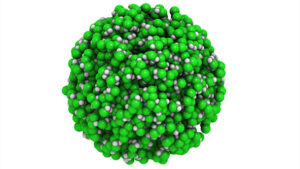
Dichloromethane (also commonly known as Methylene Chloride, Methylene Dichloride, Di-clo and DCM) is a clear, slightly sweet smelling organic liquid chemical solvent which can be pose significant workplace safety risks if strict handling instructions are not followed. Common Uses for Dichloromethane Dichloromethane is used across a variety of industries, and is especially useful in chemical processes […]

Isopropyl Alcohol Safety Tips
What is Isopropyl Alcohol? Isopropyl alcohol is a colorless liquid found in household and workplace products alike. Due to its high flammability and potential health hazards, it is important to handle isopropyl alcohol in a safe manner no matter what the setting. Common Uses of Isopropyl Alcohol Two of isopropyl alcohol’s most popular uses are […]
Benzoic Acid – Uses and Safety
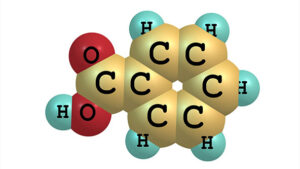
Although it’s not the most-dangerous chemical you might find in the workplace, proper handling of benzoic acid is a must to avoid injuries and health risks while on the job. Benzoic acid is a white, crystalline powder with a faint, non-offensive odor. It is a compound naturally found in many plants and is an important […]

Federal OSHA Overrules Arizona’s State Fall Protection Standard
OSHA has repealed Arizona’s state-specific residential fall protection regulation put forth by the Arizona Division of Occupational Safety and Health (ADOSH) — Arizona’s state OSHA plan. Because of this change, Arizona homebuilders will now be required to implement fall protection for workers in construction activities at heights of 6 feet or more. The repealed standard […]
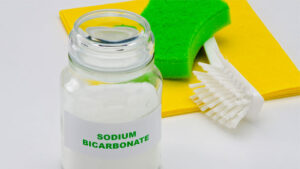
Safety with Sodium Bicarbonate
Sodium bicarbonate (better known to the world as baking soda) is a soluble white powder that is crystalline but often appears as a fine powder. It’s odorless, non-combustible and reacts with acids to release carbon dioxide gas and heat. The Versatility of Sodium Bicarbonate Sodium bicarbonate serves a variety of purposes, ranging from household uses such […]

White House Seeks Increase for OSHA Enforcement, Whistleblowing in FY2016
Under the proposed budget released by the White House last week, the Obama administration would increase funding for OSHA and the Mine Safety and Health Administration (MSHA) by nearly $60 million for fiscal year 2016. Specifically, OSHA’s funding would increase from $552.8 million to $592.1 million, and MSHA’s from $375.9 million to $394.9 million. The […]
U.S. Chemical Safety Board Cites Safety Culture in Chevron Fire
Last week, the U.S. Chemical Safety Board (CSB) announced in a final investigation report that a fire at a Richmond, California Chevron refinery in 2012 was the result of a flawed safety culture within the corporation. The large fire endangered 19 Chevron workers, and sent over 15,000 local residents to the hospital for medical attention. […]
OSHA Retains Strong Focus on Carcinogen Safety
As we move forward into 2015, OSHA shows every sign of retaining its historically intense focus on protecting workers from carcinogens—that is, agents known to cause cancer. Carcinogens are addressed in specific OSHA standards for general industry, and also for shipyard employment and construction. According to OSHA, a special difficulty posed by carcinogens is that […]