










Chemical Management
534 results

A Majority of States Now Have OSHA State Plans
OSHA has approved the launch of a State Plan in the state of Maine, which will be responsible for enforcing safety and health requirements for government employees. This plan becomes effective immediately. “This is a major milestone for Maine public employees and the state’s development of its occupational safety and health program,” said OSHA head […]
OSHA Issues New Updated Guide to Training Requirements for 2015
OSHA has issued a new guide for employers on its training requirements and standards. The guide — Training Requirements in OSHA Standards — includes information designed to help businesses avoid citations and keep workers safe. The new guide organizes requirements into five categories: general industry, maritime, construction, agriculture, and federal employee programs. It also features […]

Heat Exposure: a Deadly Hazard for Workers – How to Stay Safe
According to the most recent data from the Bureau of Labor Statistics, over 3,100 American workers suffered from heat-related illness requiring at least one day away from work to recover in 2013. In the same year, 34 workers died from exposure to extreme temperatures. The total climbs to 126 when you add that to the […]
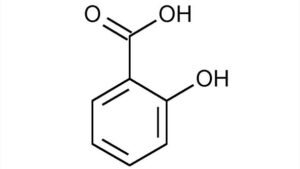
Salicylic Acid Safety Tips & Hazards
What is Salicylic Acid? Salicylic acid is a colorless crystalline acid derived from organic sources. This chemical has a variety of applications and can present several health hazards if used without adequate precautions. Here are some important safety tips to keep in mind when handling and storing salicylic acid. Common Uses of Salicylic Acid Salicylic […]

Chemical Hazard News Highlights – July 6, 2015
Welcome to VelocityEHS’ news roundup, featuring the latest EHS headlines that you might have missed. Among this week’s topics are several OSHA updates, including the agency’s focus on key worker hazards in healthcare facilities, approved legislation that would reduce its fiscal year 2016 budget, and new safety fact sheets for California workers and employers. Other […]

Danger in Coffee Roasting? Report Suggests Diacetyl Health Risk
More than a decade ago, the chemical compound diacetyl, which is used to add flavor and aroma to foods and other products, came under fire after an investigation by The National Institute of Occupation Safety and Health exposed it as responsible for lung disease in several microwave popcorn plant workers. The disease, bronchiolitis obliterans—often called […]
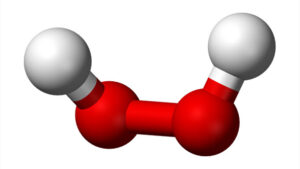
Hydrogen Peroxide Health & Safety Tips
What is Hydrogen Peroxide? Hydrogen peroxide was first discovered in the early 19th century, but the pure chemical was not produced until 1894. Today, this chemical is produced in quantities of more than 2 million tons worldwide each year. Hydrogen peroxide is a chemical compound usually produced as a diluted solution. This colorless, slightly viscous […]

Phosphoric Acid Safety Tips
What is Phosphoric Acid? Phosphoric acid is a colorless, odorless mineral acid. With an acidic taste and somewhat viscous consistency, phosphoric acid is used in a wide variety of products and industries. Despite its popularity, this chemical can pose some potentially significant health hazards and should be handled with caution. Common Uses of Phosphoric Acid […]
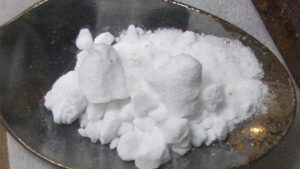
Sodium Carbonate Hazards & Safety Tips
What is Sodium Carbonate? Sodium carbonate is a white crystalline or powdered chemical that is odorless with an alkaline taste. This material comes from the ashes of plants that grow in sodium-rich soil. Also known as soda ash, sodium carbonate is sometimes produced synthetically from salt and limestone. Sodium carbonate can cause mild-to-severe health hazards and should […]

Workplace Ergonomics Injuries: A Multibillion-Dollar Problem
Part of the National Safety Council’s focus during National Safety Month 2015 is ergonomics, or how people can function most safely and effectively in their work environments. While employers are responsible for providing a safe workplace for their employees, work-related musculoskeletal disorders (MSDs) remain a significant cause of time off the job in numerous industries. […]