









Chemical Management
534 results

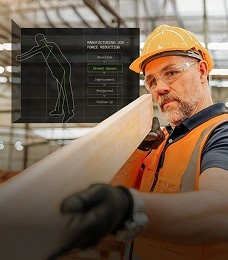
Ergo U: University of Wisconsin–Madison: Effective Human-Robot Teaming
In the series Ergo U: Ergonomics Research Notes from the Field, VelocityEHS Director of Research and Ergonomics Engineer Blake McGowan meets with ergonomics researchers from leading universities and associations across the country to share their latest findings. Field notes Recently, Blake met with Dr. Robert Radwin, the Duane H. and Dorothy M. Bluemke Professor, from […]

OSHA and EPA Fines Increase for 2020
Penalties for noncompliance with regulations enforced by EPA, OSHA and other U.S. environmental and occupational health and safety agencies are going up! Under the requirements of the Federal Civil Penalties Inflation Adjustment Act of 2015, all U.S. federal agencies must annually revise their civil penalty amounts to account for the rate of inflation. Read on […]
Musculoskeletal Disorders: Stop Them Before They Start
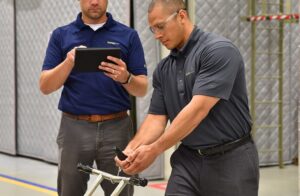
The term musculoskeletal disorder (MSD) is widely accepted in the world of ergonomics to indicate damage associated with conditions that ergonomics guidelines seek to prevent. But what is a musculoskeletal disorder, and how does it occur? In a study by Barbe et al., the extent of the MSD development process in muscles, tendons, bones, ligaments […]

VelocityEHS Offering HazCom Support for Disaster Relief Organizations, Businesses and Others Impacted by Recent Natural Emergencies
For a limited time, VelocityEHS is providing disaster relief organizations, emergency responders and local businesses affected by the wildfires in Australia and earthquakes in Puerto Rico access to our VelocityEHS safety data sheet (SDS) library at no cost. All customers and non-customers in these regions can visit www.ehs.com/disaster and search through the millions of safety sheets […]

VelocityEHS Launches New eBook: The 7 Essential Safety Systems for Effective Chemical Spill Prevention and Response
Do you have hazardous chemicals in your workplace? What if there were an accidental spill? Would you be prepared to safely respond before it escalated into a serious emergency or dangerous environmental release? What systems do you rely on to prevent chemical spills in the first place, and are those systems as effective as possible? […]

USP 800 & OSHA HazCom: Understanding Your Requirements for Handling Hazardous Drugs in the Healthcare Industry
The United States Pharmacopeial Convention (USP) estimates that more than 8 million US healthcare workers are exposed to hazardous drugs (HDs) in the workplace each year. Hazardous drugs (HDs) are a class of pharmaceuticals that pose serious health risks to individuals who handle them, including organ toxicity, reproductive and developmental defects, genetic toxicity, cancer and […]

Lessons Learned: Improving HazCom and Avoiding the Dangers of Incompatible Chemicals
by Phil Molé An employee at a popular chain restaurant recently died due to chemical exposures from a reaction between common, but incompatible, cleaning compounds. This incident, like many others before it, is disturbing because the chemicals used are so common, and tragic because it is avoidable. It’s an unfortunate reminder that HazCom management is […]

Simplifying Compliance With the EPA General Duty Clause
Do know your requirements for hazardous chemical safety and risk management under EPA’s General Duty Clause? If not, here’s what you need to know: Like the EPA’s Risk Management Plan (RMP) Rule, the EPA’s General Duty Clause is intended to help minimize the risk of chemical releases and chemical-related emergencies at facilities that store, process […]

New OSHA Beryllium Final Rule Will Impact Construction and Shipyards
On September 30, OSHA published a final rule representing the latest revisions to its evolving Beryllium Standard. The rule, which is effective immediately, retains the ancillary provisions of OSHA’s beryllium standards for construction and shipyards while setting new compliance deadlines and maintaining current exposure limits for beryllium. If you’re in the construction or shipyard industries, this final […]

Ontario Ministry of Labour Announces Inspection Blitz on Musculoskeletal Disorders (MSDs)
On October 1, 2019 the Ontario Ministry of Labour (MOL) announced it will begin an inspection blitz aimed at preventing work-related musculoskeletal disorders (MSDs). This inspection blitz will target workplaces across Ontario, specifically those in construction, health care, industrial and mining sectors. The start of the blitz happens to coincide with October’s Global Ergonomics Month, […]