









Oil & Gas
93 results

MSDS Chemical Spotlight: Xylene
What is Xylene? Xylene is a colorless liquid chemical with a somewhat greasy consistency. This chemical is present in small quantities in gasoline and other fuels, comprising approximately 0.5-1% of crude oil. Millions of tons of xylene are produced each year, as the chemical is used as a solvent in the printing, leather, and rubber […]

Heat Exposure: a Deadly Hazard for Workers – How to Stay Safe
According to the most recent data from the Bureau of Labor Statistics, over 3,100 American workers suffered from heat-related illness requiring at least one day away from work to recover in 2013. In the same year, 34 workers died from exposure to extreme temperatures. The total climbs to 126 when you add that to the […]
Sodium Carbonate Hazards & Safety Tips
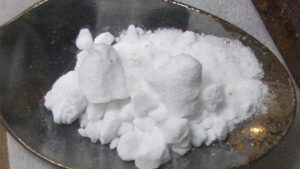
What is Sodium Carbonate? Sodium carbonate is a white crystalline or powdered chemical that is odorless with an alkaline taste. This material comes from the ashes of plants that grow in sodium-rich soil. Also known as soda ash, sodium carbonate is sometimes produced synthetically from salt and limestone. Sodium carbonate can cause mild-to-severe health hazards and should […]
CSB Releases New Ammonia Safety Video in the Same Week Chair Resigns
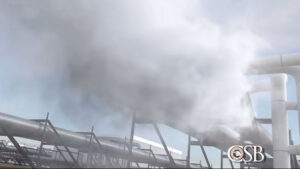
As one of his final acts in office before resigning permanently as head of the Chemical Safety Board (CSB), Chair Rafael Moure-Eraso and the CSB released a new video outlining ways that employers can prevent anhydrous ammonia accidents. The video, Shock to the System, builds on one of the final high profile investigations taking place […]
Isopropyl Alcohol Safety Tips
What is Isopropyl Alcohol? Isopropyl alcohol is a colorless liquid found in household and workplace products alike. Due to its high flammability and potential health hazards, it is important to handle isopropyl alcohol in a safe manner no matter what the setting. Common Uses of Isopropyl Alcohol Two of isopropyl alcohol’s most popular uses are […]
U.S. Chemical Safety Board Cites Safety Culture in Chevron Fire
Last week, the U.S. Chemical Safety Board (CSB) announced in a final investigation report that a fire at a Richmond, California Chevron refinery in 2012 was the result of a flawed safety culture within the corporation. The large fire endangered 19 Chevron workers, and sent over 15,000 local residents to the hospital for medical attention. […]

OSHA Keeps its Sights Set on Oil and Gas Worker Safety
Earlier this month, OSHA announced that it has signed a two-year alliance with the National Service, Transmission, Exploration & Production Safety (STEPS) Network, an all-volunteer organization devoted to reducing injuries and fatalities among oil and gas producers, and also the National Institute for Occupational Safety and Health (NIOSH), a federal agency that conducts research and […]

Understanding the Hazards of Hexane
What is Hexane and Where Can it Be Found? Hexane is a chemical commonly extracted from petroleum and crude oil. It is a colorless liquid that gives off a subtle, gasoline-like odor. Hexane is highly flammable, yet it can be found in many household products such as stain removers for arts and crafts projects. Because […]

Toluene Safety Tips from MSDS experts
You may not have heard of toluene, but you’ve almost certainly encountered household products that contain this potentially harmful chemical. Toluene & Its Chemical Uses Toluene is a colorless, water-insoluble liquid with a sweet, pungent odor. This chemical (previously known as toluol) can be produced industrially or in a laboratory, and it also appears in […]
Hydrochloric Acid Hazards & Safety Tips
What Exactly is Hydrochloric Acid & Where is it Found? Hydrochloric acid hazards are serious. However, you may be surprised to learn that hydrochloric acid is commonly used in many types of industrial processes. Approximately 20 million tons of hydrochloric acid are produced globally each year, and you can even find it in your own […]