









Oil & Gas
93 results

Intro to Hazard Communication, Part Four: Writing a Good HazCom Plan
Welcome to the latest installment of our ongoing Intro to HazCom series! Some of you might be familiar with previous posts, and are waiting for the latest in the series. If so, your wait is now over. But if you’re asking “what Intro to HazCom series?” and are looking for a broad overview of HazCom […]

Intro to Hazard Communication, Part Two: Six Steps to HazCom Compliance
In our previous post “Intro to Hazard Communication, Part One,” we provided an introductory primer for those of you who may be new to HazCom and needed a little help getting oriented. This post will pick up where our previous one left off, and help you continue on your HazCom journey. Please feel free to […]

How Do We Let Our Employees Know We’re Thankful for Them?
This Thursday, November 22, people across the United States will be celebrating Thanksgiving. Many businesses will be closed, and many of us will be taking stock of the people we’re thankful for. Our employees work hard for us year round, and our safety performance depends on them. We should certainly be thankful for their efforts […]

Intro to Hazard Communication, Part One: So You’re New to HazCom?
Congratulations! You’ve learned that you’re responsible for managing Hazard Communication (HazCom) for your company’s chemical inventory. That’s a huge responsibility, but it’s also a great opportunity to improve workplace safety and become an EHS leader. You might feel overwhelmed. We get it – we’ve all been there before. It can be difficult to even get […]

Chemical Spotlight: Benzene Hazards & Safety Tips in the Wake of Hurricanes Harvey, Irma , Maria and Other Heavy Storms
Record flooding in Texas, Florida and Puerto Rico, following Hurricanes Harvey, Irma and Maria, has caused a slew of secondary health and safety hazards. Among these issues is the high risk of exposure to hazardous chemicals in contaminated flood waters, including lead, arsenic, benzene, sulfur dioxide and nitrogen oxide. With damage to chemical manufacturing facilities, […]

Chemical Hazards in the Wake of Hurricane Harvey
Unprecedented flooding in the Corpus Christi and Houston/Galveston Bay areas caused by Hurricane Harvey has left businesses, residents and first responders in one of the nation’s largest petroleum and chemical processing regions with more to worry about than rising waters. Secondary effects of the flooding have created high risk of exposure to hazardous chemicals in […]

Weathering the Storm: EHS Management in Today’s Offshore Oil & Gas Industry
A recent article published by the Society of Petroleum Engineers (SPE) recapped an important panel discussion which took place at the 2017 Offshore Technology Conference (OTC) in Houston earlier this month. A group of industry EHS professionals and government regulators had gathered to discuss the effects of continued low oil prices on worker safety in the […]
Quad-O: EPA’s Methane Emissions Standards for the Oil and Gas Industry
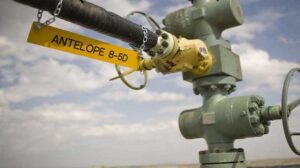
In 2012, the EPA published 40 CFR Part 60 Subpart OOOO, more commonly known as Quad-O, which set forth substantial new methane emissions monitoring and reduction requirements, as well as provisions mandating that owners and operators in the oil and gas industry implement comprehensive leak detection and repair (LDAR) programs throughout their facilities. In June of […]
New PHMSA Final Rule Strengthens Safety Requirements for Pipelines
On January 13, 2017, the Pipeline and Hazardous Materials Safety Administration (PHMSA) issued a new final rule amending regulations for hazardous liquid pipelines. The rule becomes effective on July 13, 2017 and creates new compliance obligations for system owners and operators that are intended to maintain pipe integrity and prevent pipeline accidents. Let’s review some […]

Understanding BLM’s Waste Prevention, Production Subject to Royalties, and Resource Conservation Rule
Last month, the United States Bureau of Land Management (BLM) published the final version of its Waste Prevention, Production Subject to Royalties, and Resource Conservation Rule. The Final Rule will require owners and operators of both new and existing federal oil and gas leases to implement comprehensive methane leak detection and repair (LDAR) programs throughout […]