






Blog
402 results

Fine Shows OSHA is Serious about Shared Responsibility for Staffing Agency Employees
Reaffirming its commitment to holding both host employers and staffing agencies responsible for training workers on hazards they may encounter on the job, OSHA has levied fines of over $700,000 against an auto parts manufacturer and the staffing agency it was using. The businesses were cited for numerous violations, including failing to adequately train workers […]

Four Common Warehouse Accidents and Steps to Prevent Them
In the material handling industry, even when most of the major hazards are identified and addressed, a small or careless mistake can still result in serious injury. Below are four common warehouse hazards should not be overlooked. 1. Pallet Rack Collapses Incidents involving pallet rack collapses often stem from materials not being properly stowed in […]

Anti-Fatigue Matting vs. Insoles: What You Need to Know
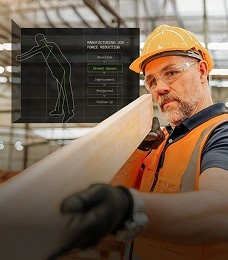
Prolonged standing is required in various occupations and can lead to discomfort and fatigue in the feet, legs, and lower back. Regular exposure to prolonged standing has been associated with an increased risk of musculoskeletal disorders (MSDs) as well as other issues like varicose veins and locked joints. Researchers have investigated multiple means of intervention […]
Occupational Ergonomics Defined “Right”
Although improving ergonomics in the workplace is a common element of most company safety programs, the understanding and application of the term “ergonomics” continues to vary dramatically. We continue to hear practitioners interpret ergonomics differently, apparently based on the background, focus, and interest of each practitioner. Today, individuals with a range of expertise claim to […]

New Wallet Card Covers GHS/HazCom Pictograms and Shipped Label Elements
A new free content offer from the VelocityEHS chemical management solution provides a wallet card, available in two formats, which can help supplement OSHA-required HazCom training on GHS pictograms and the six required elements of a shipped label. One side of the card features all nine GHS pictograms and the hazards they represent. The reverse […]
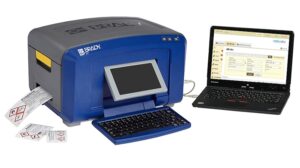
VelocityEHS Simplifies Hazardous Chemical Label Creation with New Brady Label Printer Compatibility
VelocityEHS is providing safety professionals with even more opportunities to create and print compliant workplace labels through its expanded compatibility with Brady’s newest label printer releases. VelocityEHS users can now create and print workplace labels in the Globally Harmonized System (GHS) format on Brady’s three new printer models, including BBP30, BBP35 and BBP37. The expanded […]

Office Dangers: Just Because You Sit in a Chair All Day, Doesn’t Mean You’re Safe
Workplace safety is often focused on workers doing rigorous tasks in industries with the perceived highest occupational risk, such as construction, mining, oil and gas, and manufacturing. However, one of the leading causes of workplace injuries, and one of the most costly to employers, affects those workers whose time is spent in offices and laboratories […]

Improper Hazardous Chemical Storage Can Have Disastrous Consequences
The extreme dangers of improper hazardous chemical storage are far too often overlooked, yet time after time, we are given shocking reminders of their deadly and destructive toll. As we continue to provide news and information around workplace safety during National Safety Month, we must not overlook two of the largest hazardous chemical disasters in […]

For Workers in Maritime Industries, Safety Has Special Significance
People who work in the maritime industries know that safety is always the number one priority. This is much more than just a saying, though. Whether you’re in marine construction, shipping, commercial fishing, transportation, offshore oil and gas exploration, or dockside support services, the hazards that surround the maritime industries and the marine environment are […]

Keeping Machine Shop Workers Safe: Occupational Exposure to Metalworking Fluids
There are many manufacturing jobs that exist, each with their own set of hazards. For machine shop employees who work with metalworking fluids (MWFS), designed to cool their machines and remove metal particulates produced as the machines operate, potential hazards stem from exposure to these common substances. Workers can breathe in aerosols created from machining, […]