







Blog
404 results
Separating Hype from Reality: State of AI in EHS Part 2
By Phil Molé, MPH In Part One of this series, we addressed six of the most common myths shaping the AI conversation in EHS—from the idea that AI replaces human expertise to the belief that it’s only useful for large enterprises. The common thread? Most concerns stem from misunderstanding what AI is designed to do […]
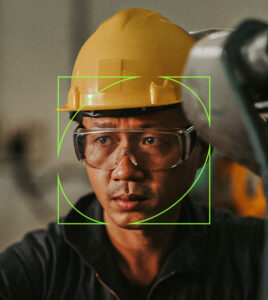
In Case You Missed Them: VelocityEHS Q1 Webinar and AI Coffee Chat Recap
By Phil Molé, MPH Over the past few months, VelocityEHS has hosted a wide range of webinars designed to empower EHS professionals to stay ahead of regulatory changes, explore emerging technologies, and strengthen their safety programs. From OSHA recordkeeping and HazCom updates to AI, ergonomics, and operational risk, these webinars delivered practical insights and real-world […]
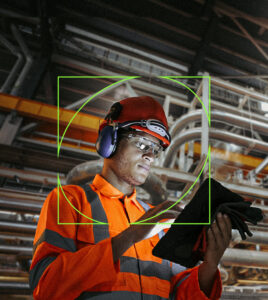
State of AI in EHS: Myths Versus Reality Part 1
By Phil Molé, MPH Artificial intelligence (AI) is everywhere right now. You’re reading about it in headlines, hearing about it in conference rooms, and maybe even seeing it in product roadmaps. As an EHS professional, you’re probably also hearing a lot about “AI and EHS” or “AI for EHS.” The buzz has come so quickly […]
How to Pivot from Compliance to Resilience Using AI-Enhanced EHS Software
By Phil Molé, MPH For decades, environmental, health, and safety (EHS) programs have been built around a single goal: compliance. Pass the audit. Submit the report. Avoid the citation. Compliance still matters. But in today’s volatile, interconnected operating environment, it’s no longer enough. Incidents escalate faster. Supply chains are fragile. Regulations evolve quickly. Emerging risks […]

Getting Ahead of Regulatory Shifts in 2026
EHS compliance in 2026 demands more than policy updates and periodic audits. Regulators worldwide are increasing enforcement, expanding reporting requirements, and raising expectations for documentation. For EHS and Sustainability leaders, the question is no longer whether regulations will change. It’s how prepared your organization is to adapt when they do. That’s why we created the […]

7 Strategic Reasons to Invest in an LMS for EHS: Why a Course Library Isn’t Enough
By Phil Molé, MPH In a previous post, The Importance of Training to Your EHS Management System, you learned why training is foundational to regulatory compliance, injury reduction, and building a strong safety culture. But here’s the next critical question: Is having access to a large library of safety courses enough? The short answer: […]

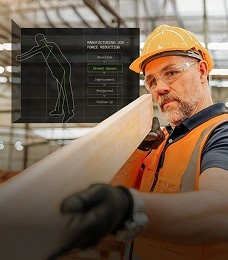
AI Hands & Wrists Assessment: A Look into the Future of Hand and Wrist MSD Risk Assessment
The High Cost of Hand and Wrist MSDs Musculoskeletal disorders (MSDs) of the hands and wrists remain one the most persistent and costly injury types in industrial work settings. One example is carpal tunnel syndrome (CTS). CTS is one of the most common MSDs, affecting 7.8% of industrial workers, noted in a large research study. […]
How to Leverage AI to Move Beyond Regulatory Compliance
By Phil Molé, MPH If you work in EHS, you already know that your mission is to get people home safely every day. But you’re probably also dealing with the reality that your workload often keeps your teams stuck in compliance mode. Between OSHA recordkeeping, HazCom updates, Tier II/TRI reporting, contractor documentation, inspections, and incident […]

The Importance of EHS Training to Your Management System
By Phil Molé, MPH Ensuring a safe, healthy, and compliant workplace isn’t just about policies and procedures. It’s about people. At the heart of every effective Environmental, Health, and Safety (EHS) program lies ongoing, meaningful training that empowers employees and leadership alike to understand risks, act, and contribute to a safer workplace culture. Take a […]
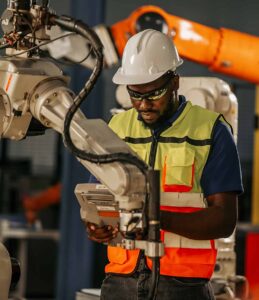
2026 EHS Compliance Priorities: What Employers Need to Know
By Greg Duncan, MELP, CSP As EHS compliance requirements expand, this year is shaping up to be critical in regulatory enforcement. From heat illness prevention to PFAS reporting, workplace violence prevention, ergonomics, and PPE fit standards, regulators are signaling clear priorities. The 2026 EHS Compliance Priorities Checklist from VelocityEHS helps employers understand what’s coming and what actions […]