










Optimizing EHS Programs
80 results

Four Ways To Sustain Your Ergonomics Process
Launching an ergonomics process is not the same as sustaining one over time. This e-book will give you tips for continued success.

Using Leading Metrics To Improve Workplace Ergonomics
This e-book will help you prevent musculoskeletal disorders through ergonomic design and tracking the right measures. Download it now.

Five Approaches To Managing MSDS: What Really Works?
This complimentary e-book will help you understand the right approach to reducing MSDs in your organization. Download now.

Naem EHS Compliance Metrics
Find out what metrics your peers use to drive EHS compliance. To help benchmark your metrics program, this report exclusively available through NAEM and VelocityEHS for no additional cost, provides a look at how a group of 37 leading companies use their metrics to proactively manage risk, drive performance and strengthen an internal culture of […]

Industrial Hygiene Program Management Guide
Download to learn the key strategies that can strengthen your Industrial Hygiene program.
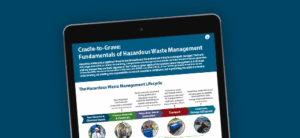
Hazardous Waste Lifecycle Guide
Whether you’re new to hazardous waste management or just looking for a quick overview of RCRA hazardous waste management requirements, our helpful guide covers the basics to help you get a handle on compliance.

7 Essential Safety Systems For Effective Chemical Spill Prevention & Response
Download our eBook today to get started on the path towards greater workplace chemical safety and compliance!

The Ergonomics Job Improvement Process: Four Steps To A Better Workplace
Learn the four key steps to successfully managing the tactical elements of your ergonomics process in this complimentary e-book.

Office Ergonomics: What Makes It Unique To Manage?
Understanding the unique attributes of the office environment is key to building a successful ergonomics process. Read this e-book and learn more.
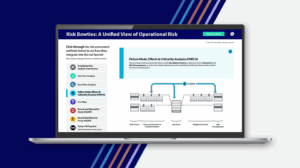
Risk Bowties: A Unified View Of Operational Risk
Download the interactive infographic and click through to see how different risk assessments tie into a risk bowtie analysis.