









Online
205 results
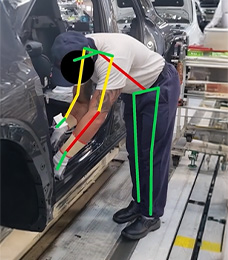
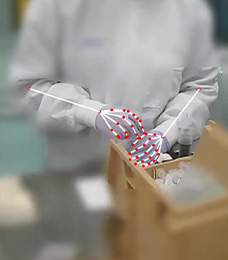
Quantifying Forceful Exertions in Ergonomics Assessments
Force is a primary risk factor for musculoskeletal disorders in the workplace and is a key element of most ergonomics assessments. Unfortunately, it’s difficult to collect and measure force data, and therefore assessment scores are often inaccurate and unreliable. To resolve the inconsistencies, it’s first important to understand the organization’s culture, the ergonomics process maturity, […]







2022 Total Worker Health Conference: Why Business Leaders Should Care
Notable researcher Jack Dennerlein, PhD, of Harvard University, believes that workers and their health and safety behaviors are a response to the work environment, whether it be organizational or environmental factors. One hundred forty-five million Americans work, and most spend at least 50 percent of their active time at the workplace. Despite improvements in occupational safety […]

2022 Total Worker Health Conference: Why Industrial Hygienists Should Care
The IH professionals have long controlled physical hazards and exposures in the workplace, such as noise, chemicals, and dust. Wheras, reducing social or psychosocial factors have often been overlooked. A 2018 study found that 40% of an individual’s health is determinant of social factors. While those factors weren’t important to the workplace historically, they are […]

2022 Total Worker Health Conference: Psychosocial Stress and MSD Risk: A Q&A with the Researchers
The most common and addressed physical risk factors that contribute to musculoskeletal disorders (MSDs) are high force, awkward postures, and high frequency of work. Increasing the combination of these factors increase the risk of developing a workplace injury. The lesser-known contributor of MSDs is psychosocial stress, age, sex, and obesity. The reason is that these factors are […]