







Regulations & Compliance
711 results

Four Common Warehouse Accidents and Steps to Prevent Them
In the material handling industry, even when most of the major hazards are identified and addressed, a small or careless mistake can still result in serious injury. Below are four common warehouse hazards should not be overlooked. 1. Pallet Rack Collapses Incidents involving pallet rack collapses often stem from materials not being properly stowed in […]

OSHA Recommends New Engineering Controls Database
Emphasizing the importance of controlling employee exposure to workplace hazards, OSHA has recommended the National Institute for Occupational Safety and Health’s (NIOSH’s) new Engineering Controls Database, a tool for locating “information on effective engineering controls that can protect workers by eliminating or reducing hazardous conditions.” The free-to-access database contains years of previously published resources generated […]

It’s Not Just OSHA: Federal Fines are Up Across the Board
There’s been a lot of news surrounding the increases to OSHA fines that went into effect August 1st, 2016. It is the first such increase to occur since 1990 and combined with recently expanded recordkeeping standards, as well as OSHA’s revised inspection and enforcement policies, employers are sure to face substantial challenges moving forward. What you […]

Anti-Fatigue Matting vs. Insoles: What You Need to Know
Prolonged standing is required in various occupations and can lead to discomfort and fatigue in the feet, legs, and lower back. Regular exposure to prolonged standing has been associated with an increased risk of musculoskeletal disorders (MSDs) as well as other issues like varicose veins and locked joints. Researchers have investigated multiple means of intervention […]
Occupational Ergonomics Defined “Right”
Although improving ergonomics in the workplace is a common element of most company safety programs, the understanding and application of the term “ergonomics” continues to vary dramatically. We continue to hear practitioners interpret ergonomics differently, apparently based on the background, focus, and interest of each practitioner. Today, individuals with a range of expertise claim to […]

New Wallet Card Covers GHS/HazCom Pictograms and Shipped Label Elements
A new free content offer from the VelocityEHS chemical management solution provides a wallet card, available in two formats, which can help supplement OSHA-required HazCom training on GHS pictograms and the six required elements of a shipped label. One side of the card features all nine GHS pictograms and the hazards they represent. The reverse […]

NAEM White Paper on Selecting EHS and Sustainability (EHS&S) Software
Download NAEM’s free guide to picking the right software for your business, the 2016 Strategies for a Successful EHS&S Software Selection. Strategize a business case for software from the start to justify an implementation. The National Association for Environmental Management (NAEM) has released a new White Paper for EHS professionals who are looking to purchase […]

Understanding Britain’s COMAH 2015 Requirements
Recent changes to Britain’s Control of Major Accident Hazards (COMAH) regulations have introduced new reporting requirements for chemical producers, distributors and consumers in the U.K. Revisions to the REACH and CLP hazard communication standards following GHS adoption have prompted a comprehensive reclassification of chemical hazards throughout the E.U. Chemicals that were not previously classified as […]
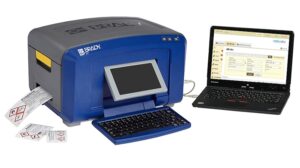
VelocityEHS Simplifies Hazardous Chemical Label Creation with New Brady Label Printer Compatibility
VelocityEHS is providing safety professionals with even more opportunities to create and print compliant workplace labels through its expanded compatibility with Brady’s newest label printer releases. VelocityEHS users can now create and print workplace labels in the Globally Harmonized System (GHS) format on Brady’s three new printer models, including BBP30, BBP35 and BBP37. The expanded […]

Office Dangers: Just Because You Sit in a Chair All Day, Doesn’t Mean You’re Safe
Workplace safety is often focused on workers doing rigorous tasks in industries with the perceived highest occupational risk, such as construction, mining, oil and gas, and manufacturing. However, one of the leading causes of workplace injuries, and one of the most costly to employers, affects those workers whose time is spent in offices and laboratories […]