










Regulations & Compliance
711 results

Leading Measures for Ergonomics
“If you can’t measure it, you can’t manage it.” These are the wise words of Peter Drucker. And they are true for many aspects of life; your personal finances, your career path, operation of a business, and yes even ergonomic improvements. The challenge is using the right measures to drive and manage your ergonomics improvement […]
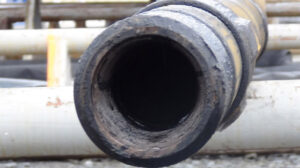
New PHMSA Final Rule Strengthens Safety Requirements for Pipelines
On January 13, 2017, the Pipeline and Hazardous Materials Safety Administration (PHMSA) issued a new final rule amending regulations for hazardous liquid pipelines. The rule becomes effective on July 13, 2017 and creates new compliance obligations for system owners and operators that are intended to maintain pipe integrity and prevent pipeline accidents. Let’s review some […]

Tier II Hazardous Chemical Inventory Reports: What You Need To Know About the Annual Deadline
As the deadline to file Tier II Hazardous Chemical Inventory Reports quickly approaches, VelocityEHS is reminding safety professionals to submit their 2016 inventory forms by March 1, 2017. Facilities with hazardous materials present at or above the threshold amounts established by the Environmental Protection Agency (EPA) are subject to the annual reporting obligations. What is […]

Is Stretching Effective in Preventing MSDs?
Some organizations rely on stretching, exercise, and conditioning programs (alone or in combination with other interventions) to prevent musculoskeletal disorders (MSDs). This relies on changing the physical condition and capabilities of each individual employee and is heavily dependent on many variables that are outside an employer’s control, including employee willingness, interest, and participation; an individual’s […]

OSHA Form 300A Posting Deadline is February 1 — Are You Ready?
As we approach the February 1 due date for posting OSHA Form 300A as part of OSHA’s Recordkeeping Rule, it’s important to remember the exemptions and requirements that apply. Under the Recordkeeping Rule, covered employers are required to maintain an OSHA 300 Log of serious injuries and illnesses, and also to post a 300A in […]

OSHA Amputation Data and Anti-Retaliation Guidelines Highlight Need for Proactive Management
OSHA Amputation Data and Anti-Retaliation Guidelines Highlight Need for Proactive Management OSHA has just released some startling new data regarding workplace amputation injuries. The agency has also recently published a new set of guidelines for workplace anti-retaliation programs, to help employers comply with its new electronic recordkeeping rule which went into effect on January 1. […]
Participatory Ergonomics Programs – 9 Keys to Success
Participatory ergonomics (PE) programs are a common way to reduce musculoskeletal disorders (MSDs) in the workplace. These programs generally involve developing an ergonomics team that includes members from various departments and levels within the organization. But most importantly, they include those who have first-hand experience with the ergonomic issues: the workers. These teams also include […]

Understanding BLM’s Waste Prevention, Production Subject to Royalties, and Resource Conservation Rule
Last month, the United States Bureau of Land Management (BLM) published the final version of its Waste Prevention, Production Subject to Royalties, and Resource Conservation Rule. The Final Rule will require owners and operators of both new and existing federal oil and gas leases to implement comprehensive methane leak detection and repair (LDAR) programs throughout […]

BLS Data Show Decline in Occupational Injuries Requiring Days Away From Work in 2015
New data from the Bureau of Labor Statistics (BLS) show that the overall incidence rate of workplace injuries and illnesses requiring days away from work decreased by 2.9 percent in 2015, with 104 cases per 10,000 full-time workers – down from 107.1 in 2014. The data also suggests an overall decrease in the severity of […]
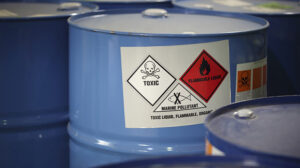
EPA Issues Hazardous Waste Generator Improvements Rule
EPA recently finalized its new Hazardous Waste Generator Improvements Rule, revising regulatory requirements under the Resource Conservation and Recovery Act (RCRA) for hazardous waste generators. The rule becomes effective on May 30, 2017. The intent of the final rule is to clarify perceived ambiguity in the original regulations, and to provide more flexibility for generators […]